After a few days in and around Christchurch seeing friends and sorting the van out, we were back on the road again and headed back to Otago. I think I may very well run out of words to describe just how amazing Central Otago is. So many towns, settlements, views, mountains, flats, rivers, lakes. So much history. Wonderful people. We both really fell in love with this area of NZ. That’s not to say that we don’t love other areas, but Central Otago really has captured us. We went about as far off the usual tourist route as we could go in our van and we were rewarded with some very special moments. Probably the most emotional moment was related to a painting that used to hang in the house of Don’s Mum and Dad and which for the last few years has hung in our bedroom. Every night before I’d go to sleep, I’d picture myself in the painting. Thanks to the incredible annotating of Don’s Mum Betty, who wrote a note on the back of the painting, we were able to locate the exact spot where the painting was created – near Becks. Both Don and I were overwhelmed with joy and tears on my part at finally being able to stand in the painting. It really was quite emotional. This blog has a lot of photos from several places we visited as well as some shots of scenery along the way.
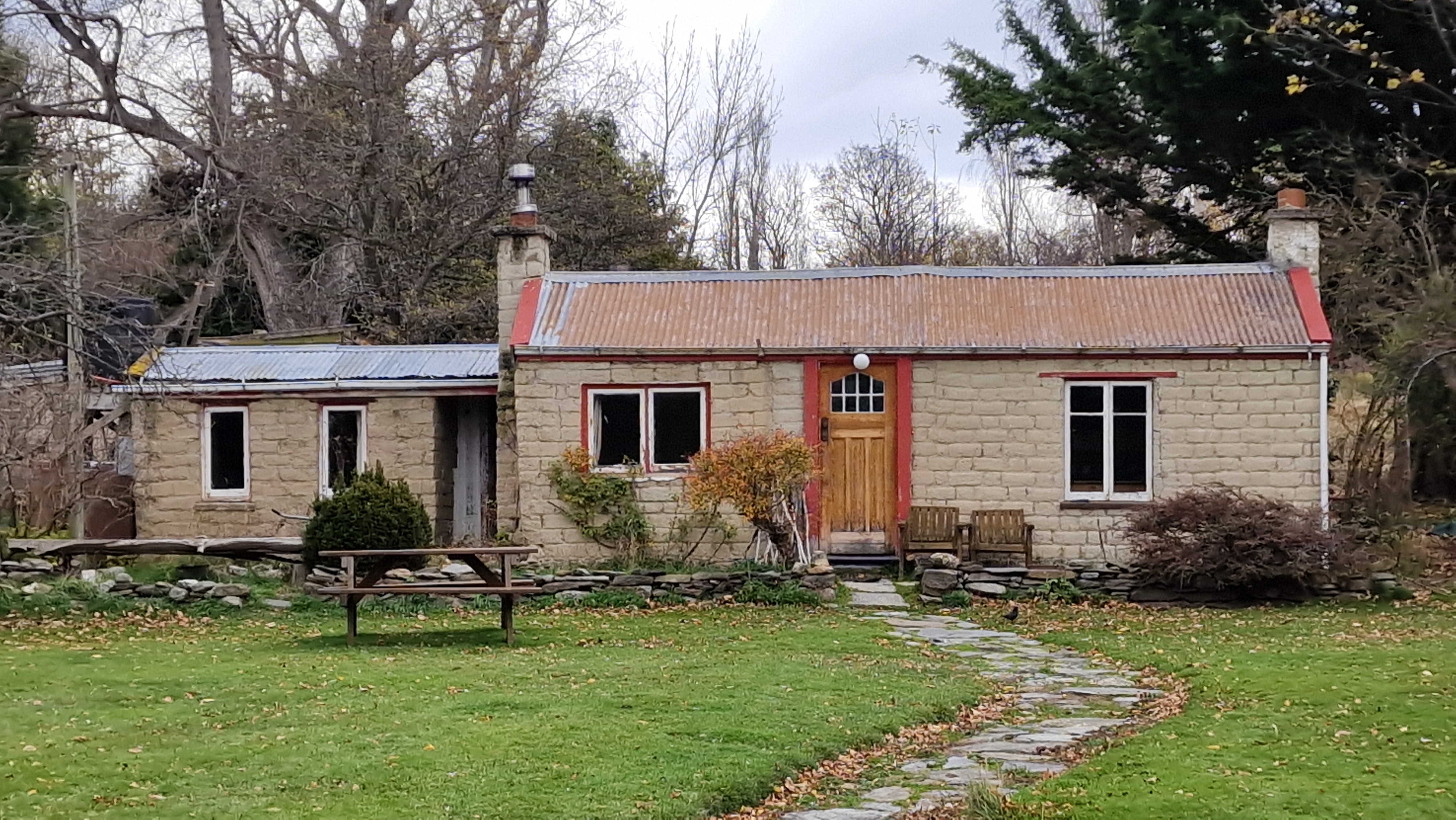
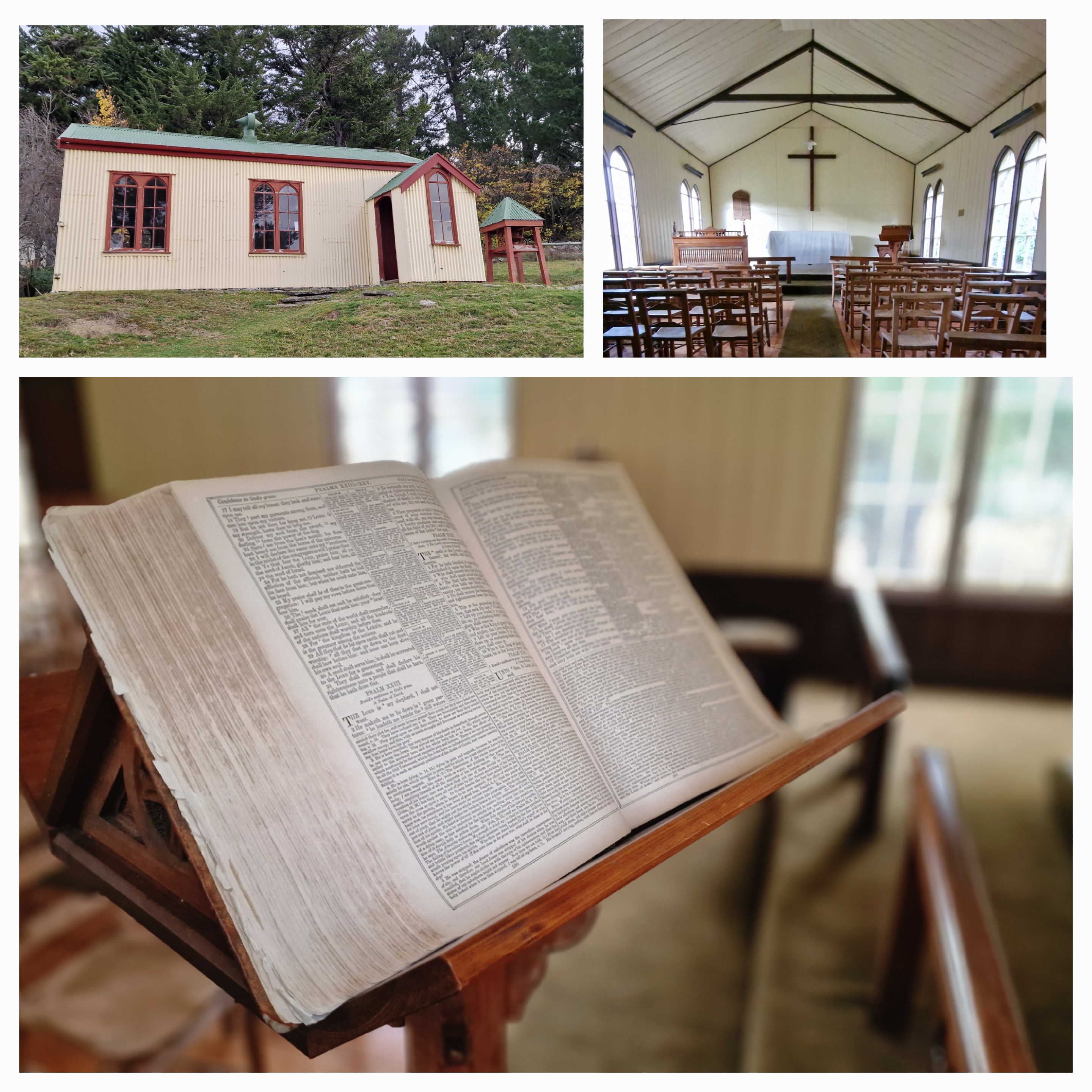
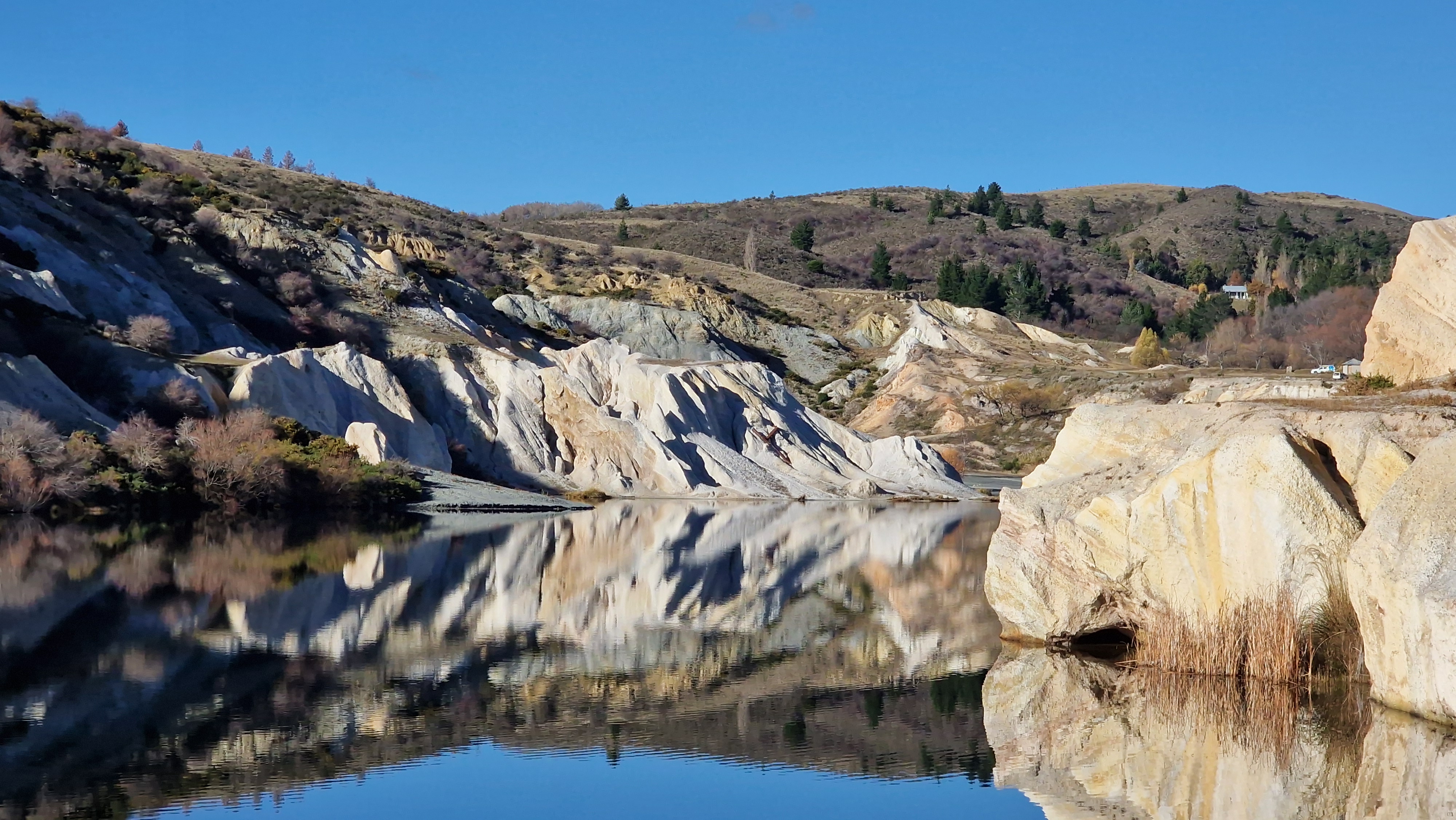
Cambrians & St. Bathans – Cambrians was established in 1863 and like much of this part of New Zealand, it was mining that created the town – both gold and coal. Buildings were made of mud bricks and corrugated iron. It is amazing that any are still standing today but they are. Seeing how small and basic some of the dwellings were, it leaves you pondering how hard life must have been for the miners and their families, especially in the harsh winters. St. Bathans was also established in 1863 and like Cambrians, the town grew up around the gold mining industry of the time. The current population of this town is 6 but it was once as high as two thousand. Of the several hotels that once existed here, only the Vulcan Hotel remains and what a gorgeous building it is. It had a Post Office (which is still in use) a, bank, gold assay office, constable’s cottage, magistrates court and gaol. Most of these are still standing and in use, including the church, one of the first prefabricated buildings in NZ. It is a shame that the only thing left of the courthouse is the very sturdy fireplace and chimneybreast. St. Bathans is also famous for the Blue Lake. It was created by the gold mining company who used water cannons to demolish Kildare Hill and then with excavators, sucked out a huge pit uncovering huge riches.
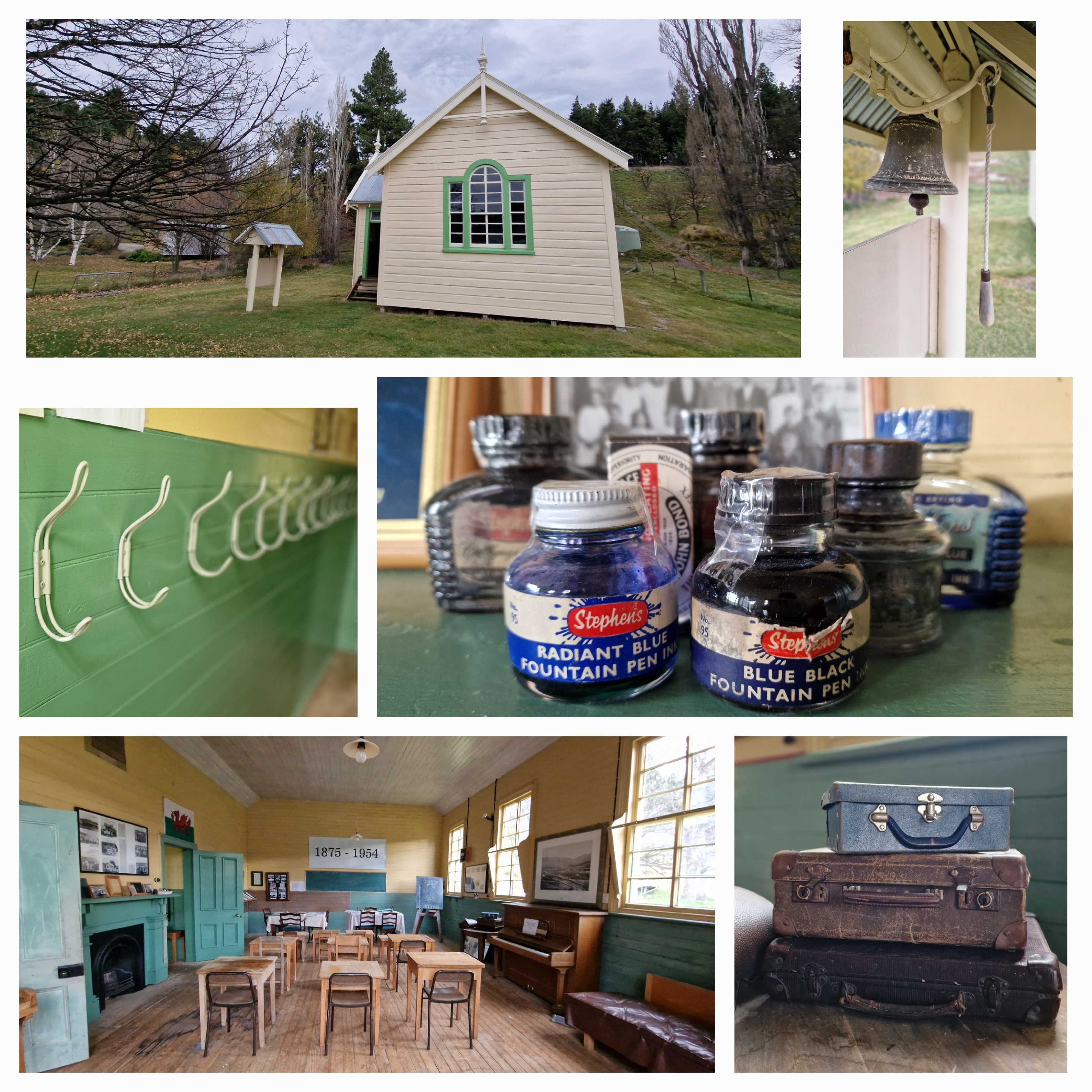
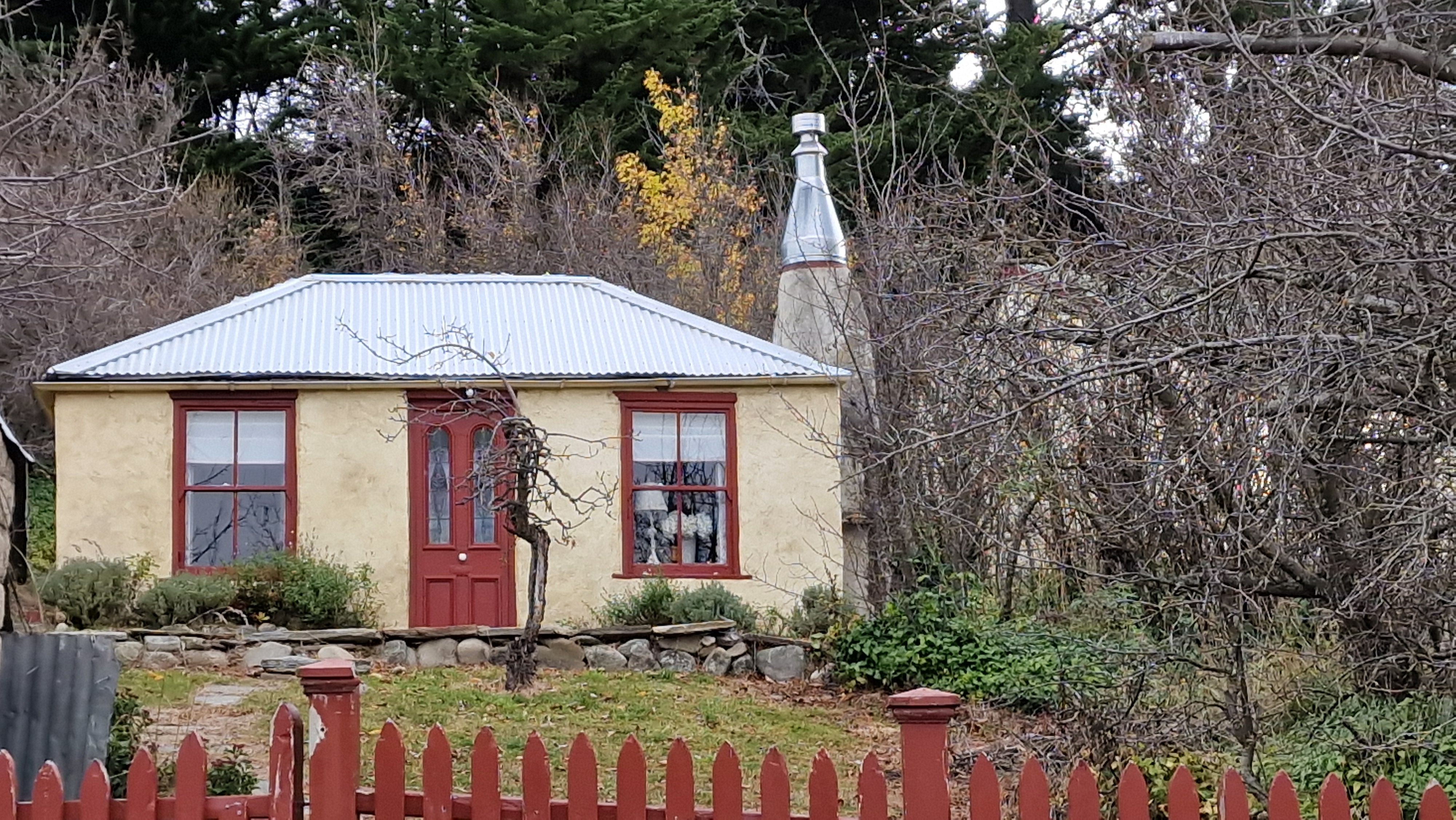
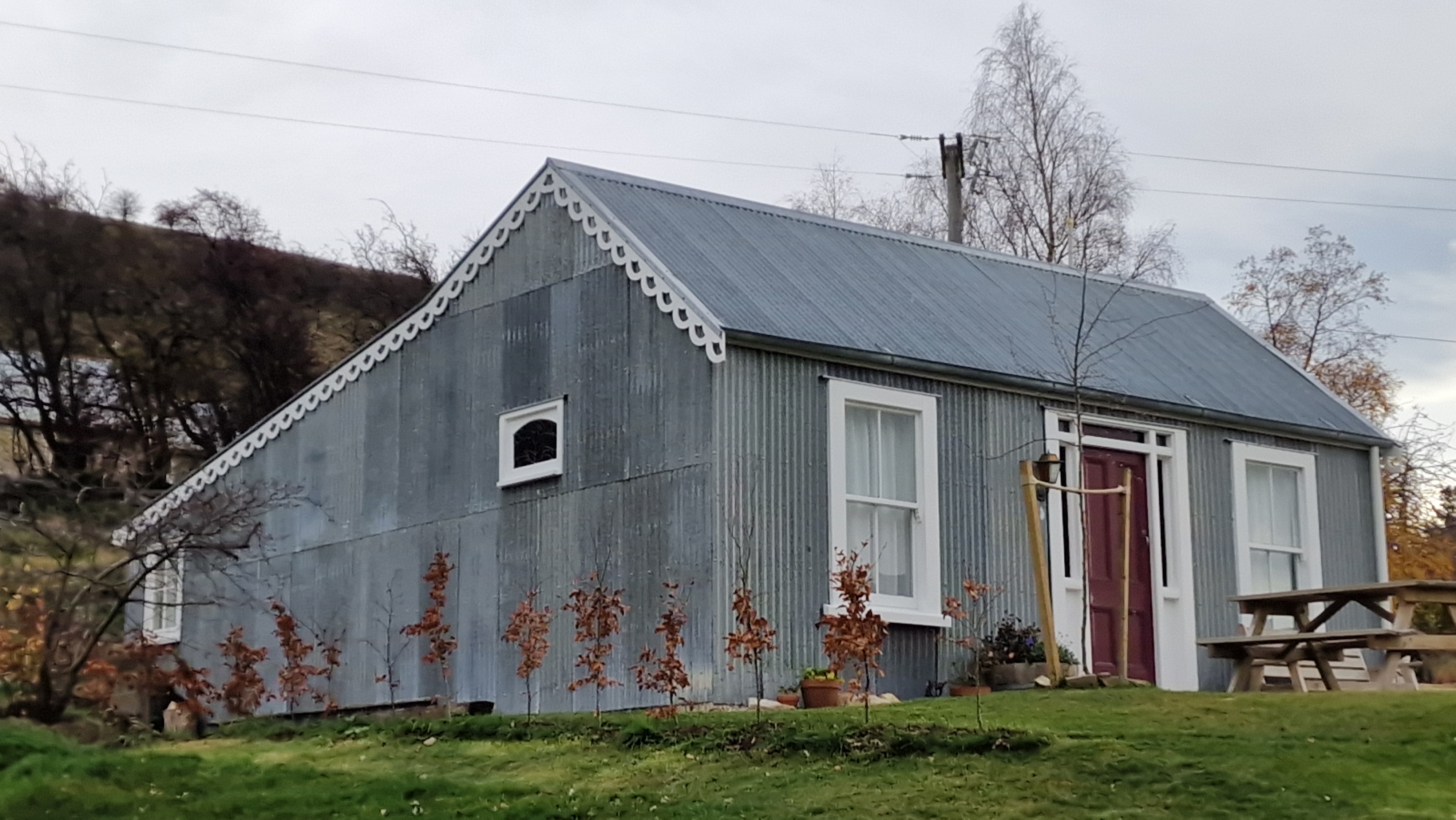
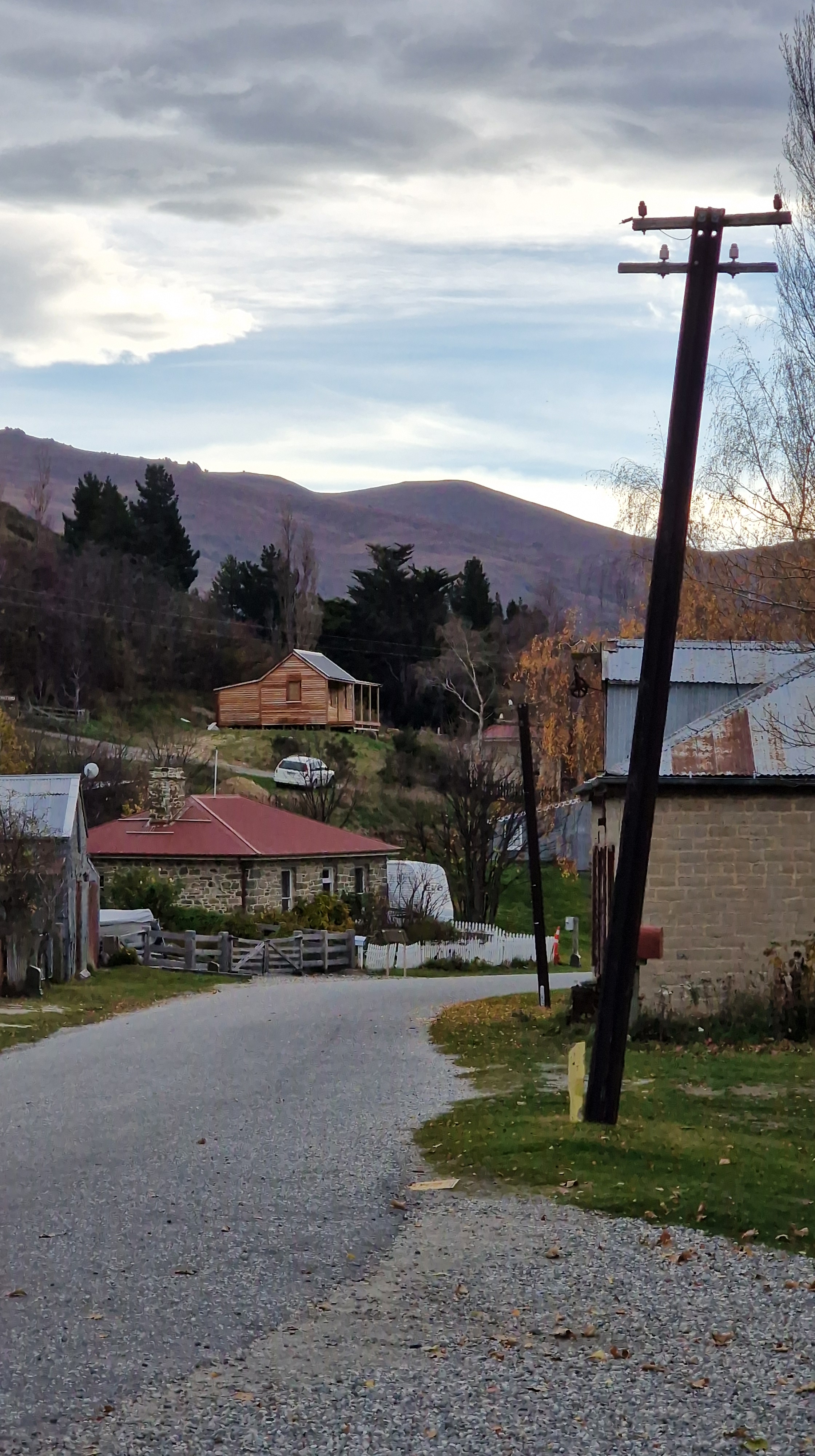
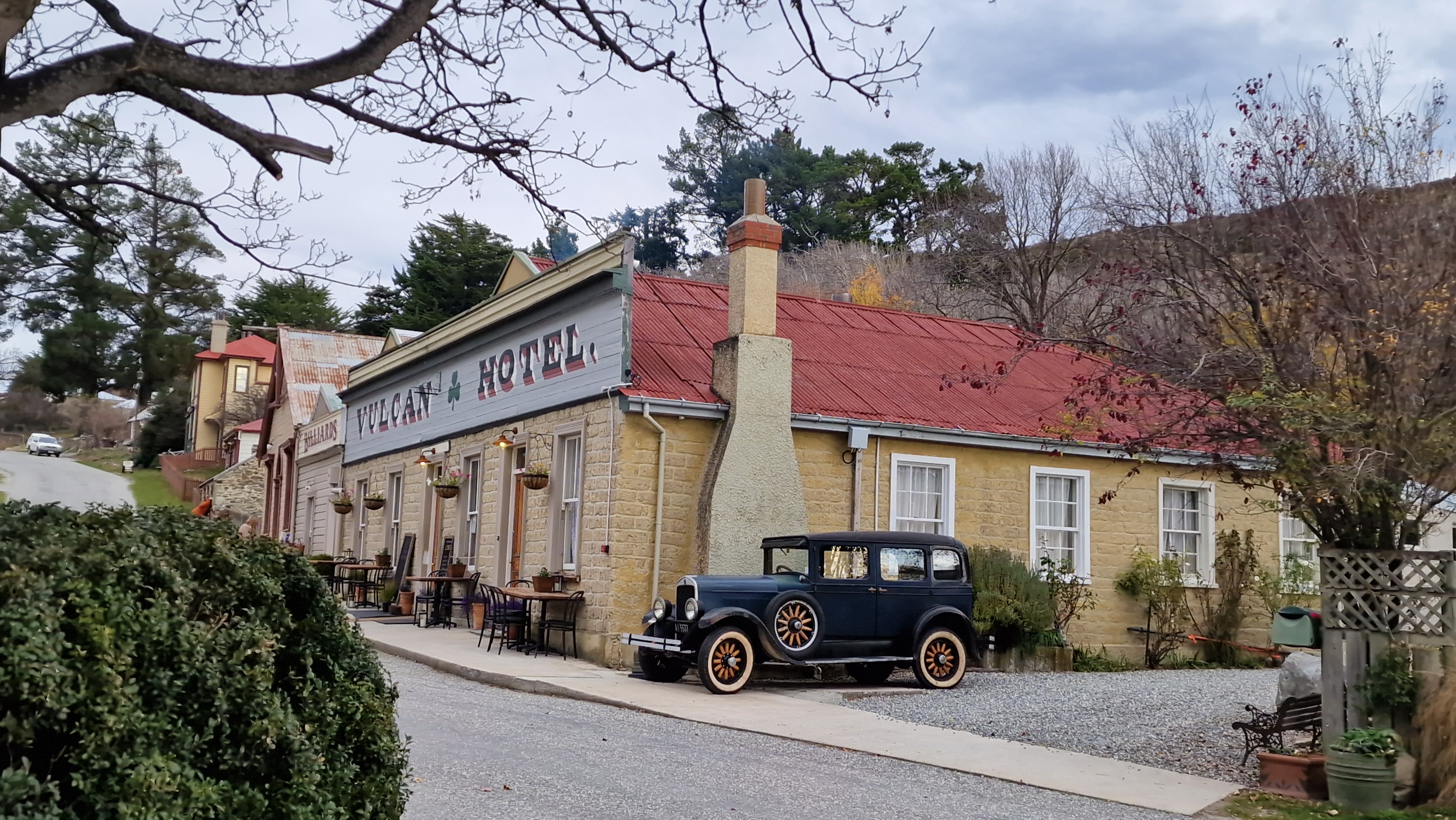
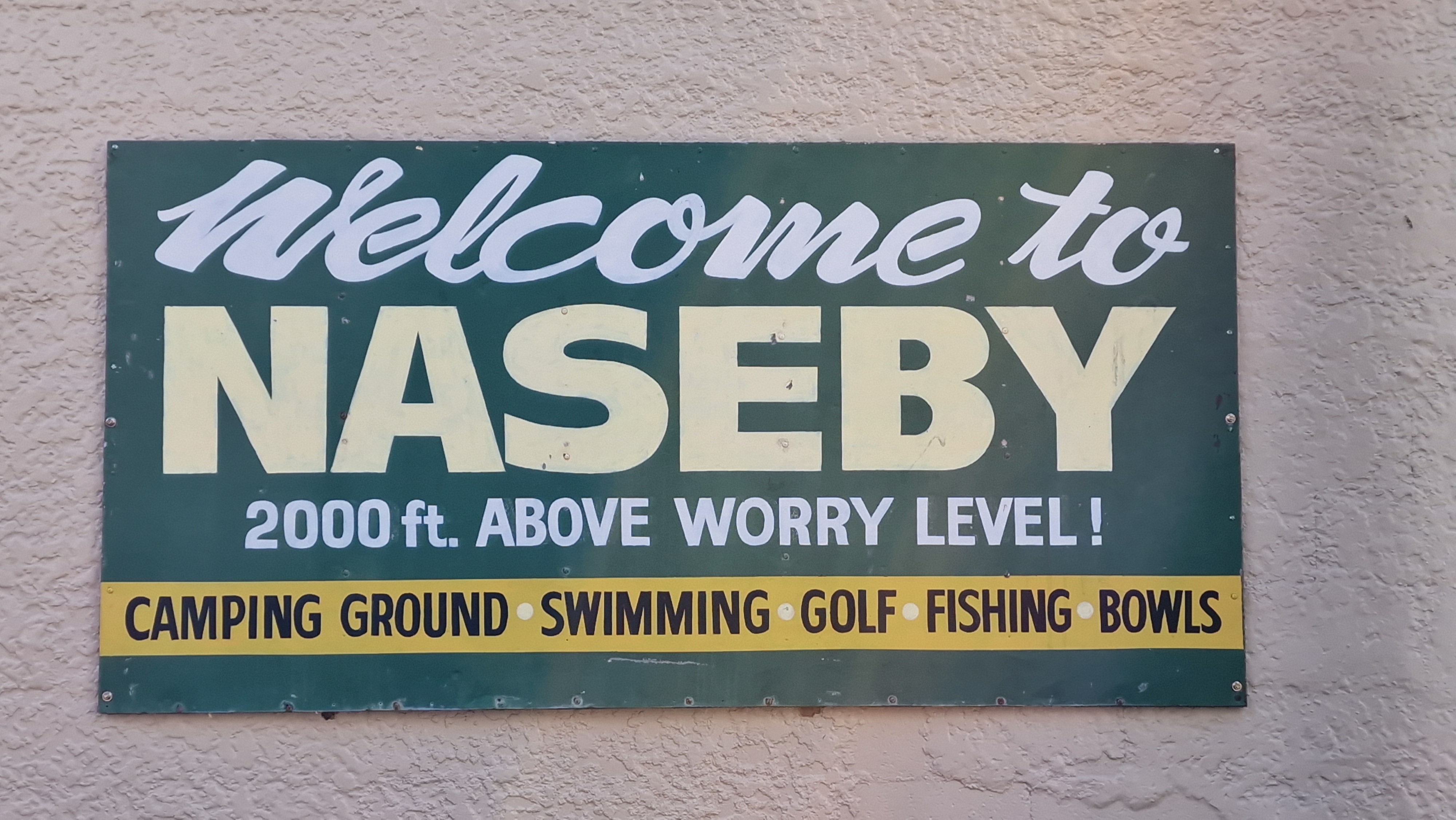
Naseby – another important town during the gold rush of the 1860s. At it’s peak, there were around 4,000 miners here. There were 14 hotels, two butchers, a hospital and 18 stores. The current population of Naseby is 130 but this swells to 3000 in the summer! It is one of the principle sites in NZ for the sport of Curling, there is an ice rink and the only luge track in NZ!
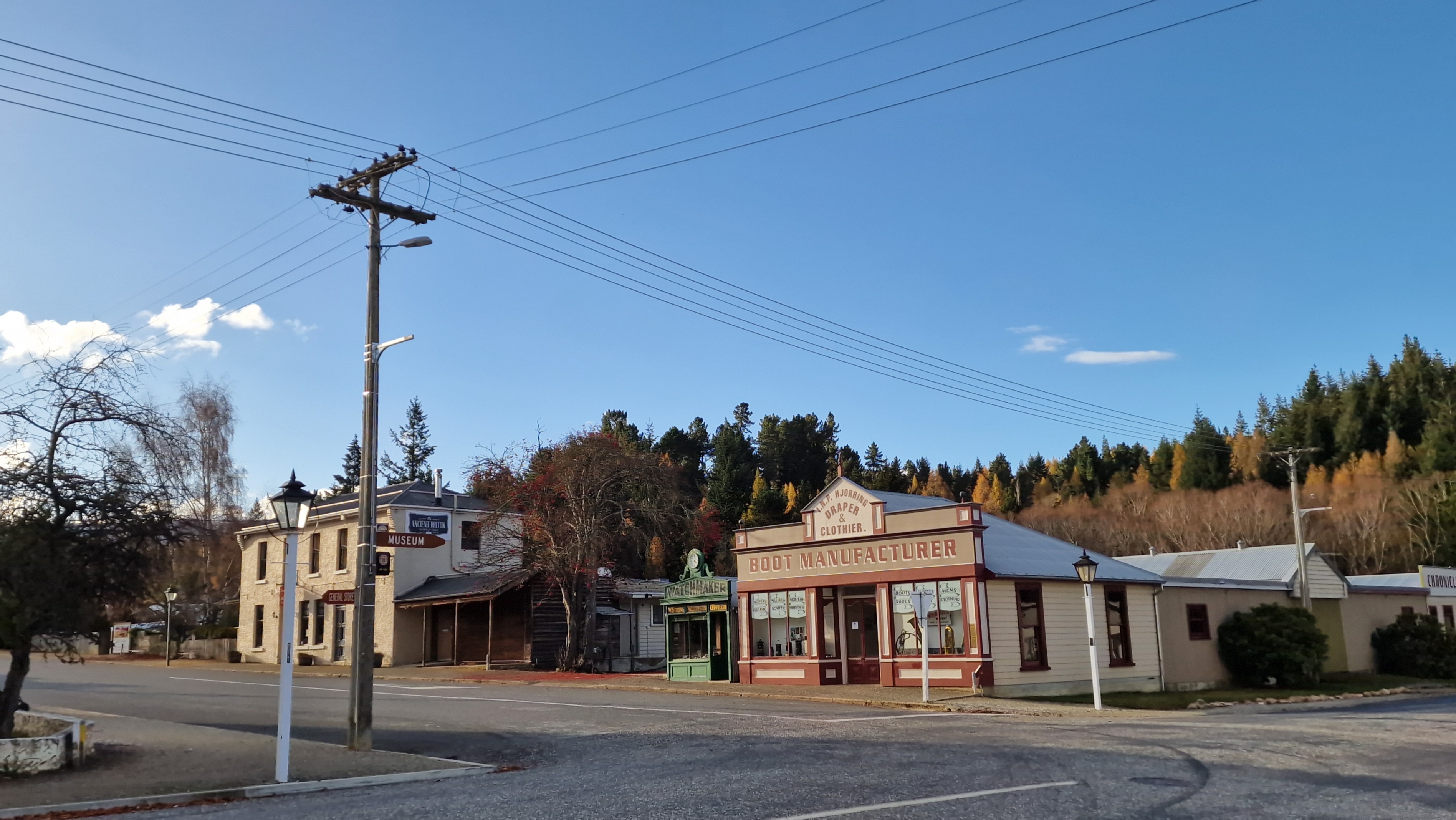
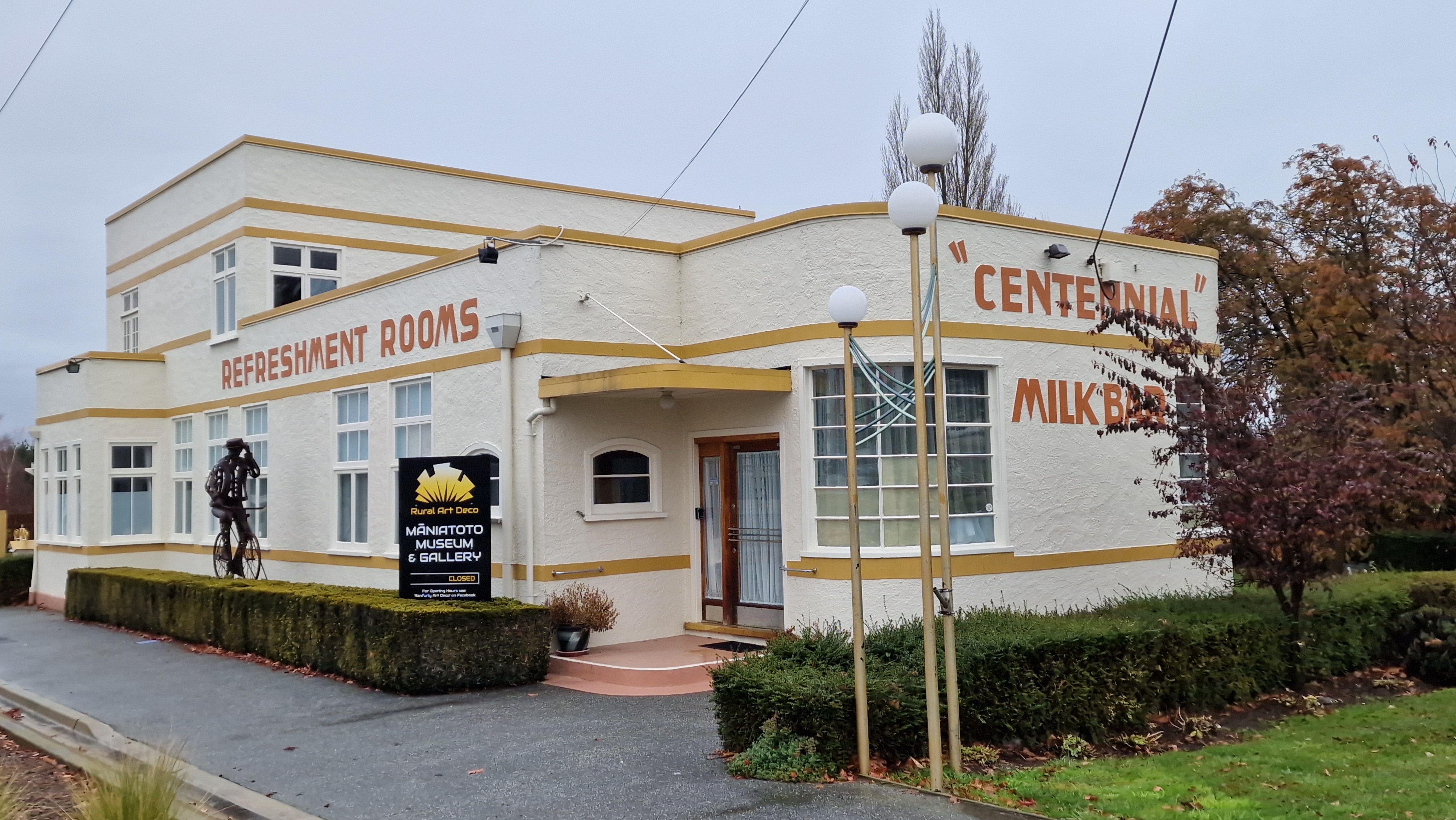
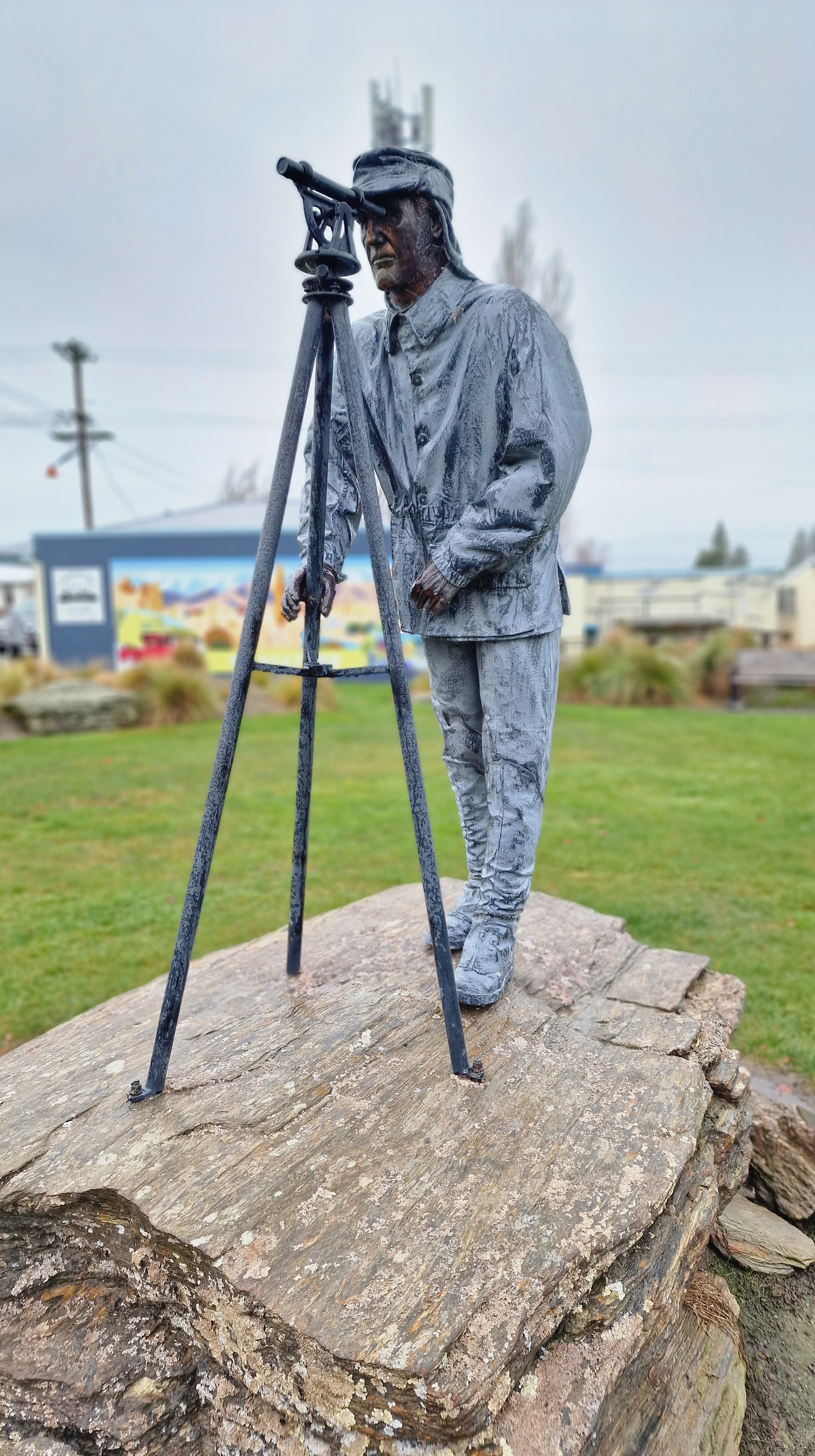
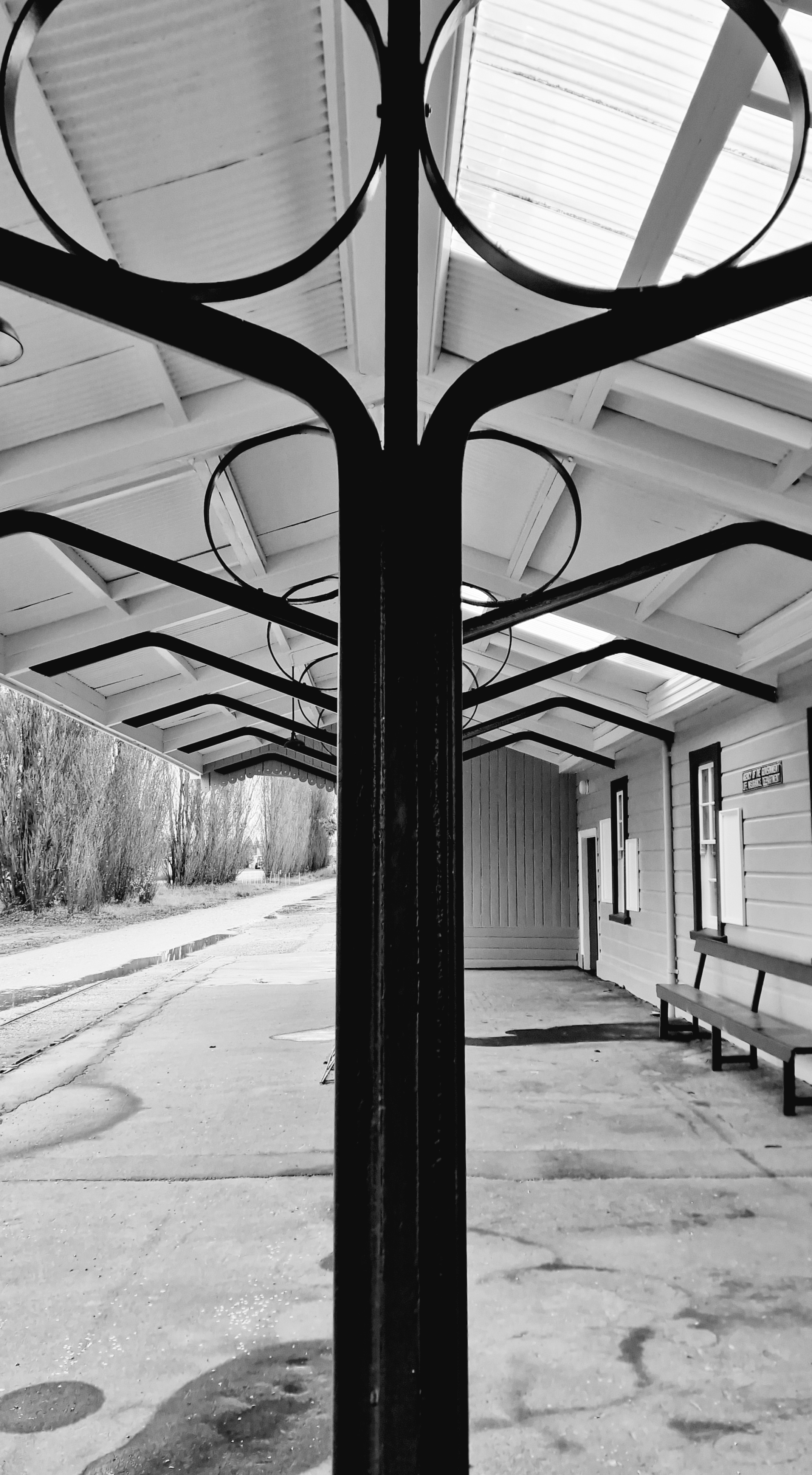
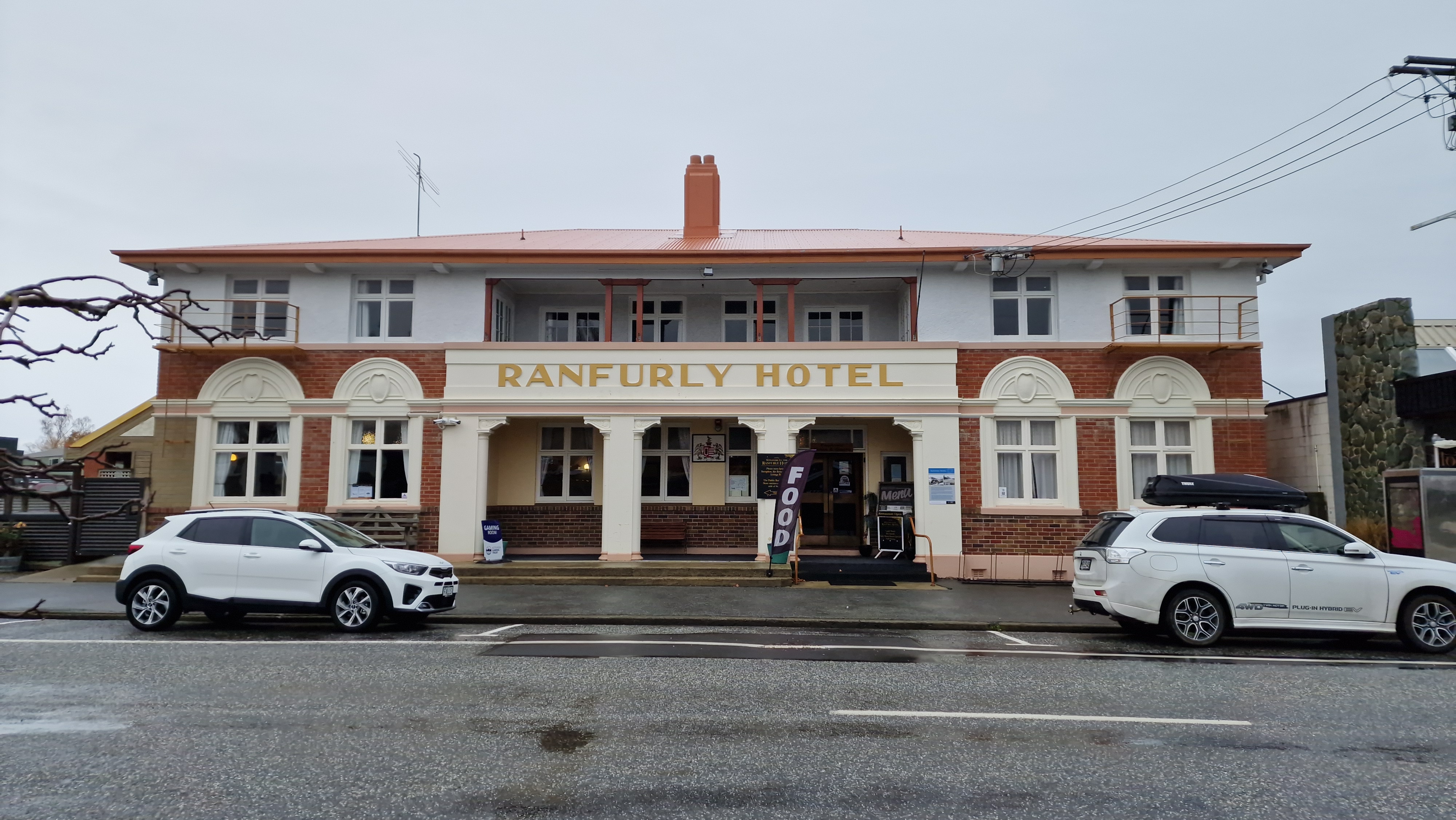
Ranfurly – I’d long wanted to visit Ranfurly to see the town that the Ranfurly Shield (it’s a rugby trophy) was named after. But I was wrong! The shield was named after the 5th Earl of Ranfurly who was the Governor General of New Zealand in 1901 and who announced that he would present a cup to the NZ Rugby Football union to be used as a prize in a competition. Formerly known as Eweburn, the town was renamed honouring the Earl when the railway was extended in to the area. In the 1930s, the town suffered a spat of suspicious fires. The suspected arsonist was never caught and the building boom that followed was in the art deco style of the time.
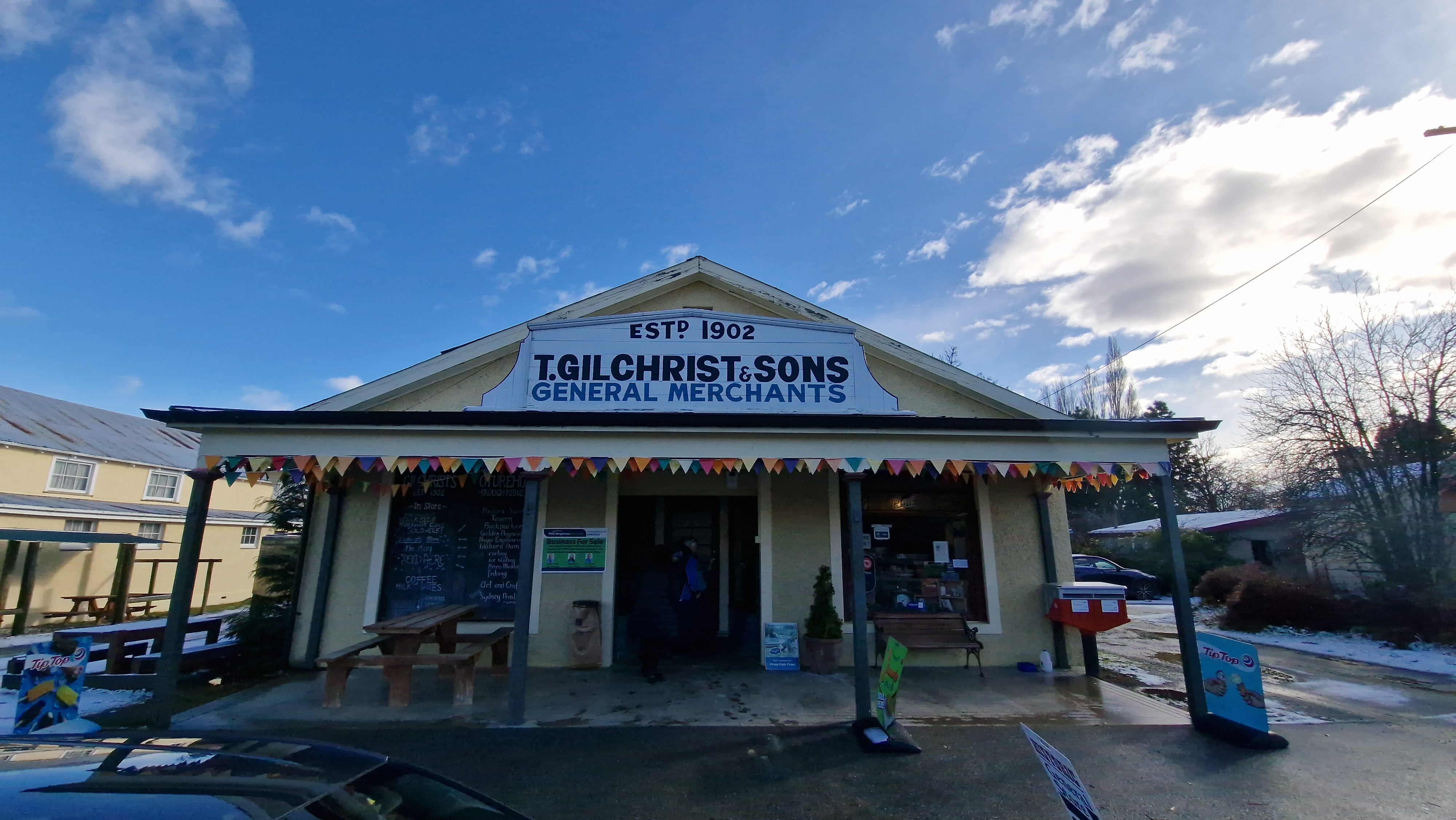
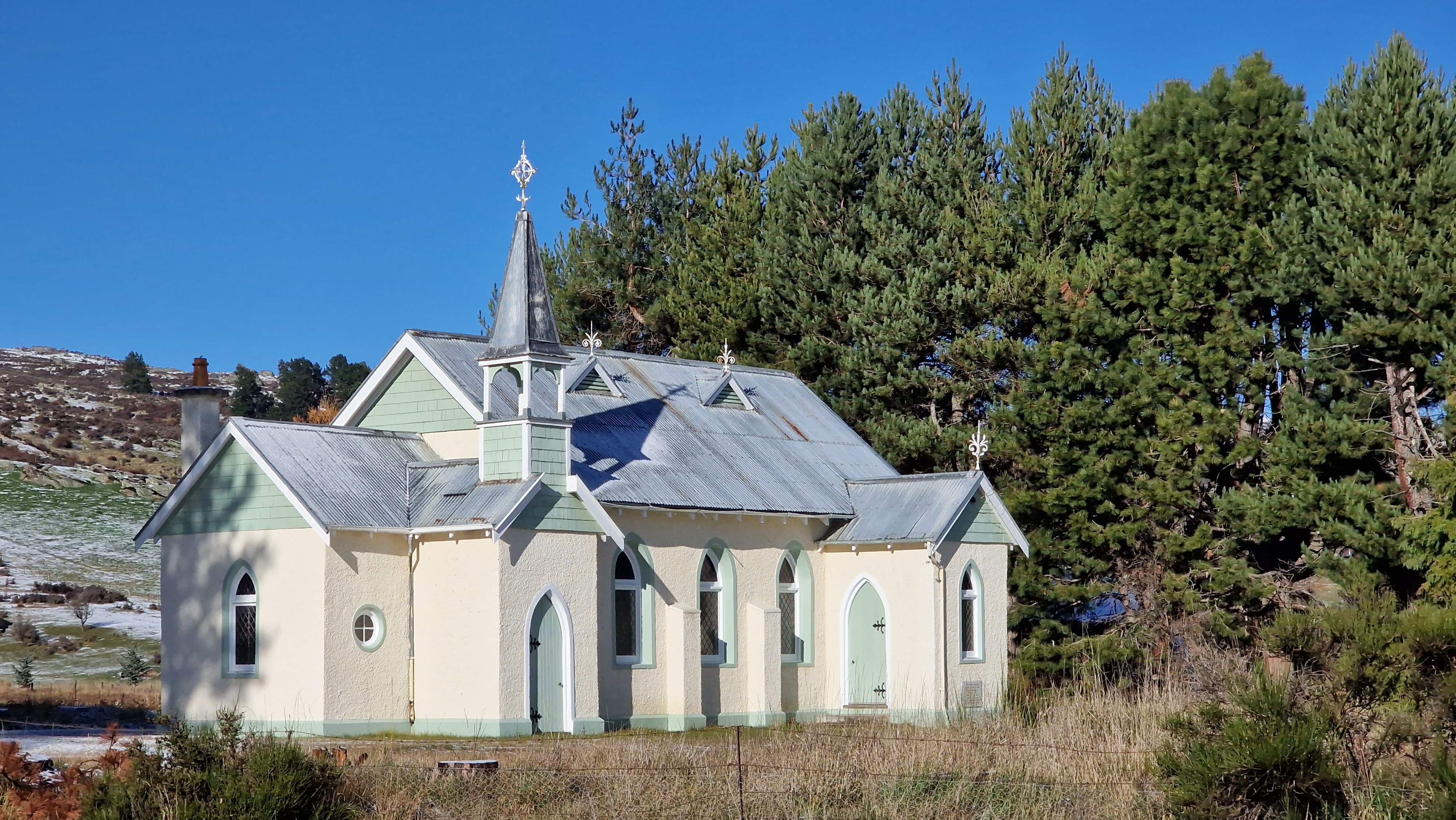
Oturehua – we paid a visit to Gilchrist’s, New Zealand’s oldest continually operating store. It is like walking back in time. We also saw a gorgeous church along the same road.
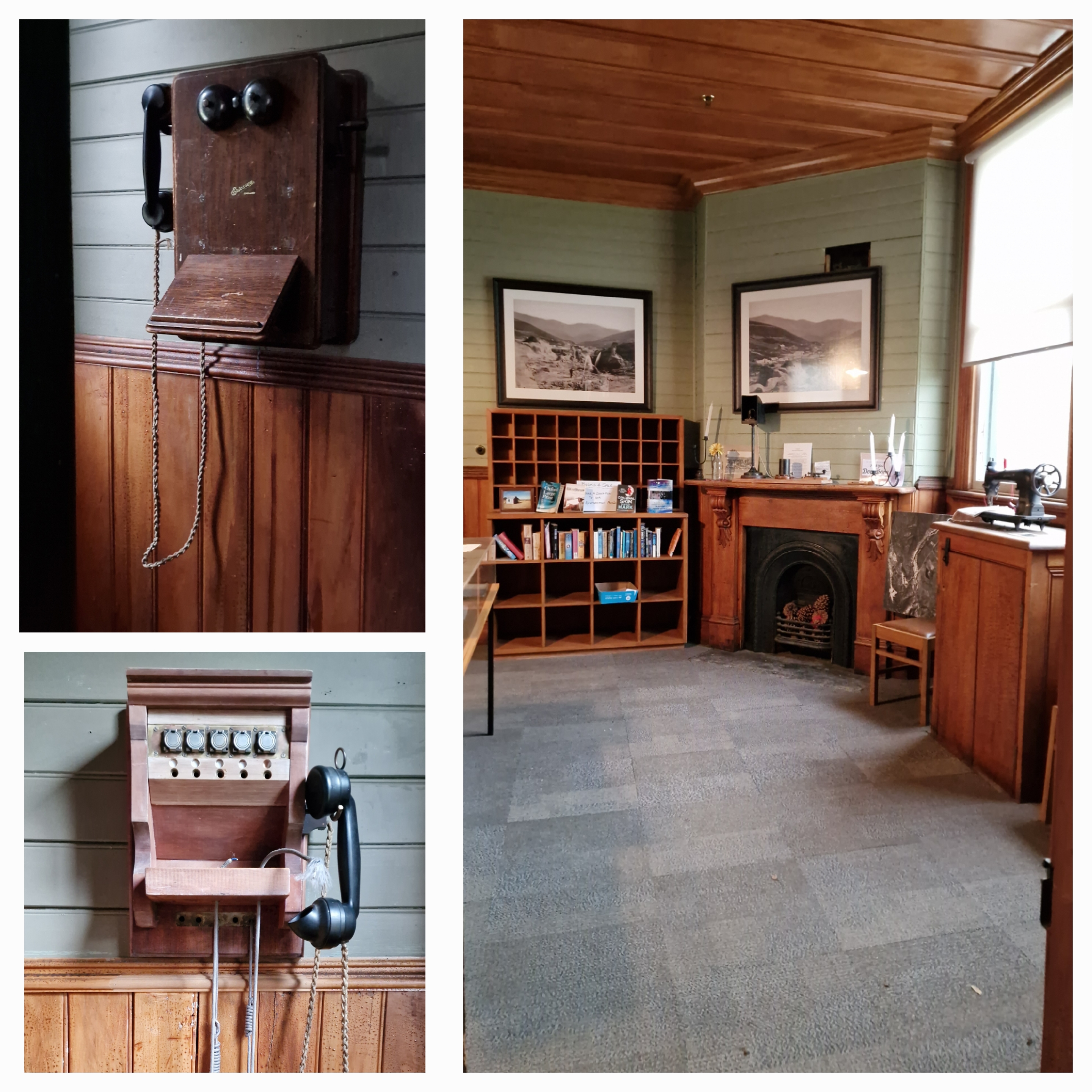
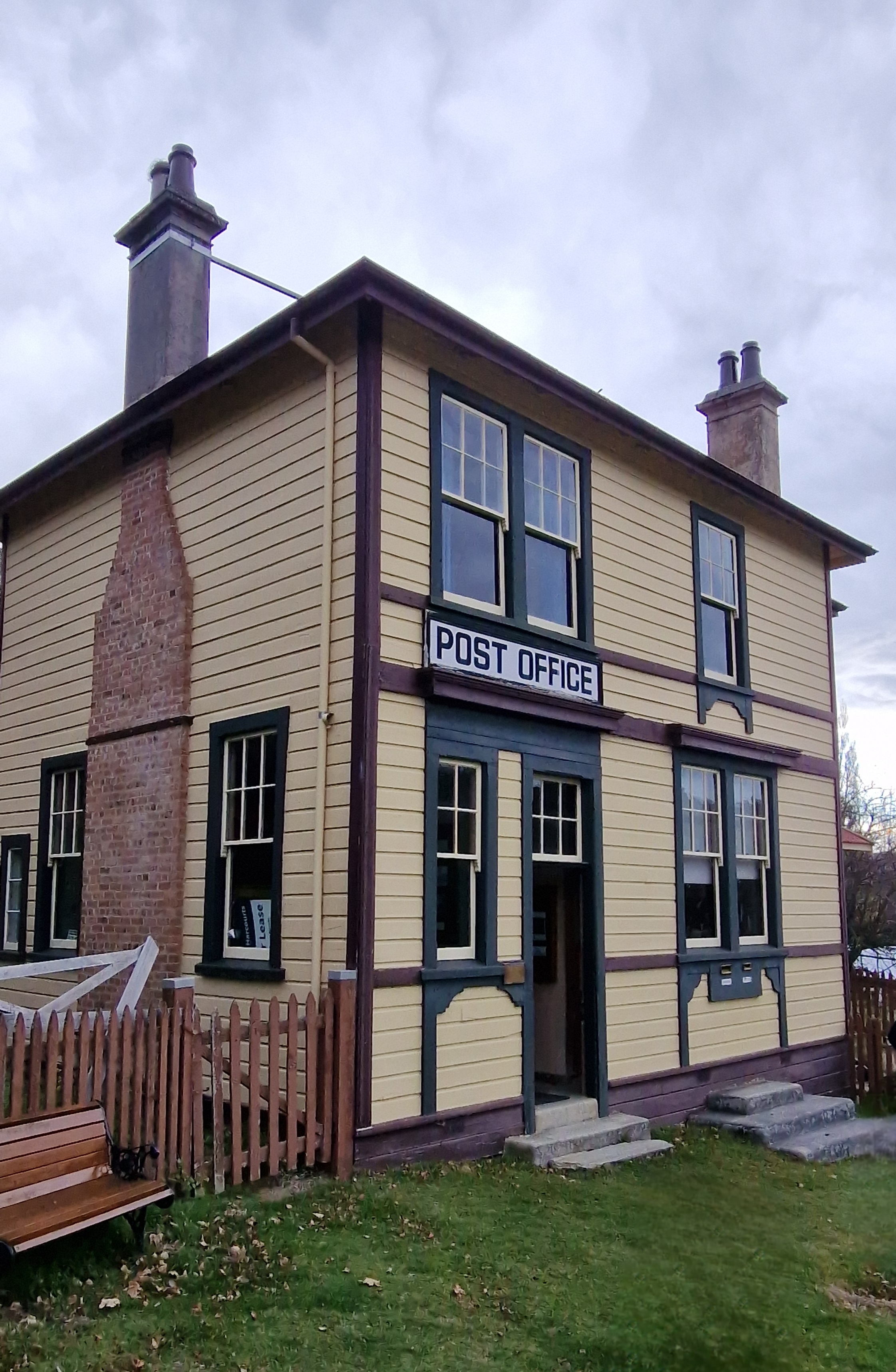
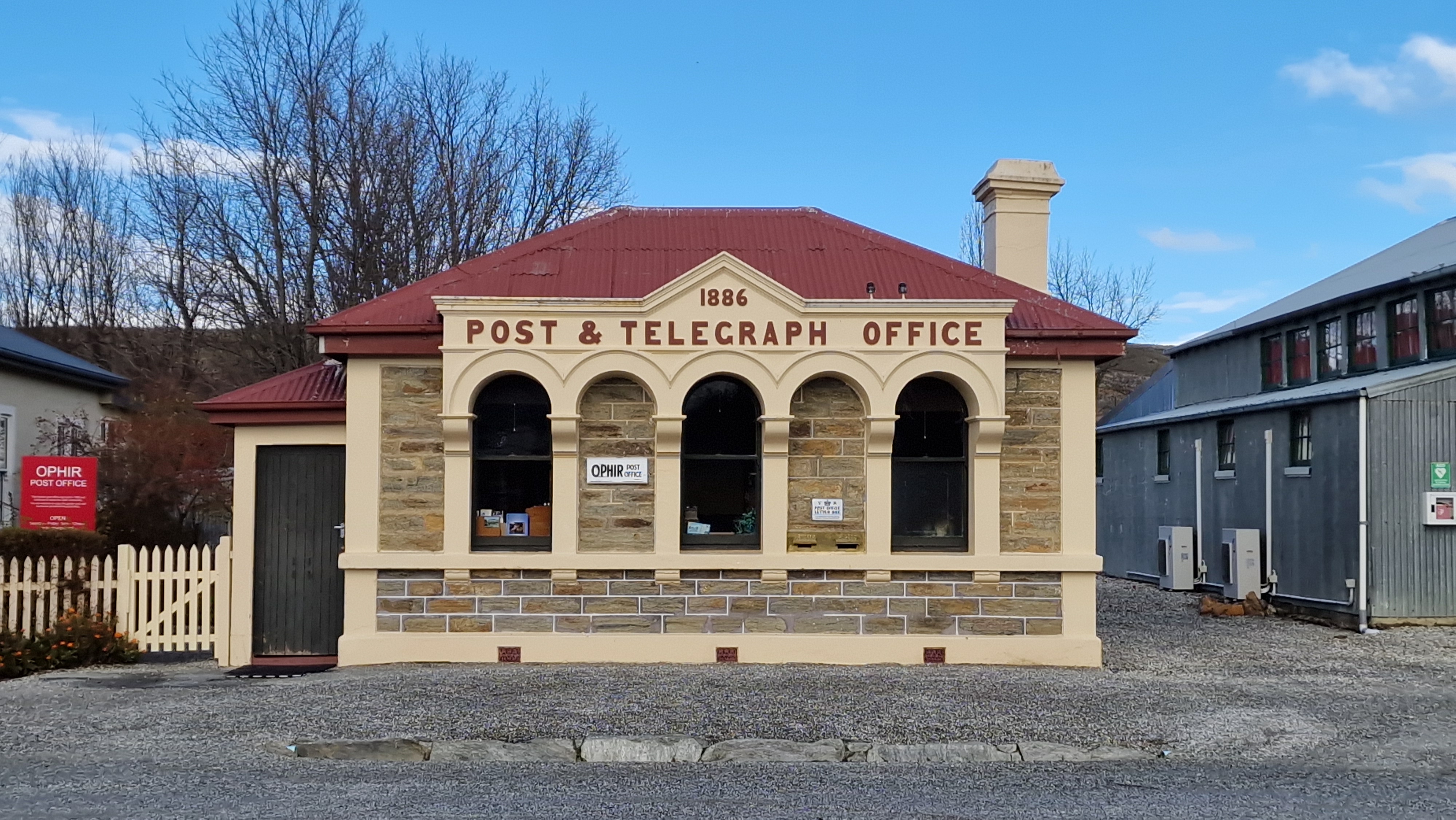
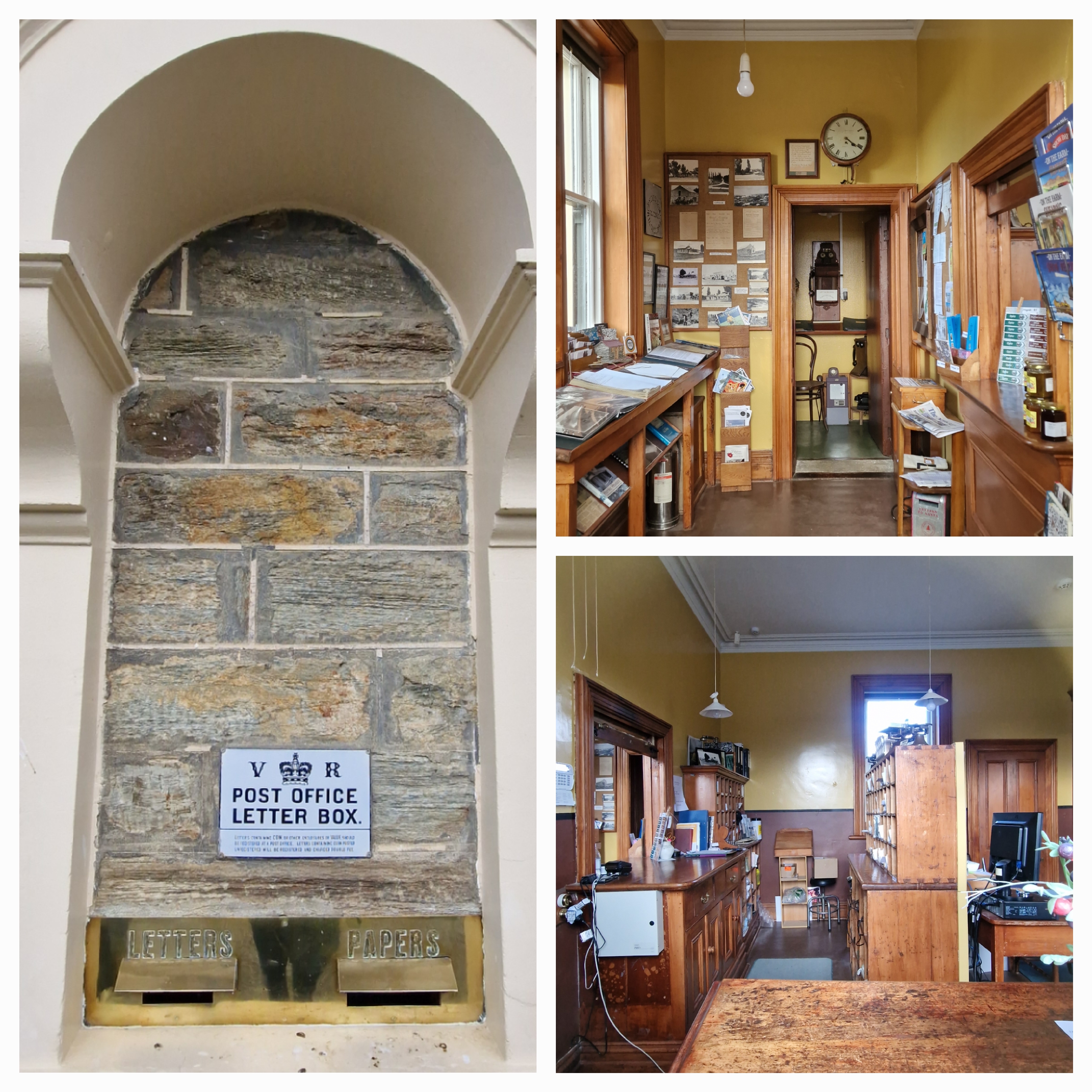
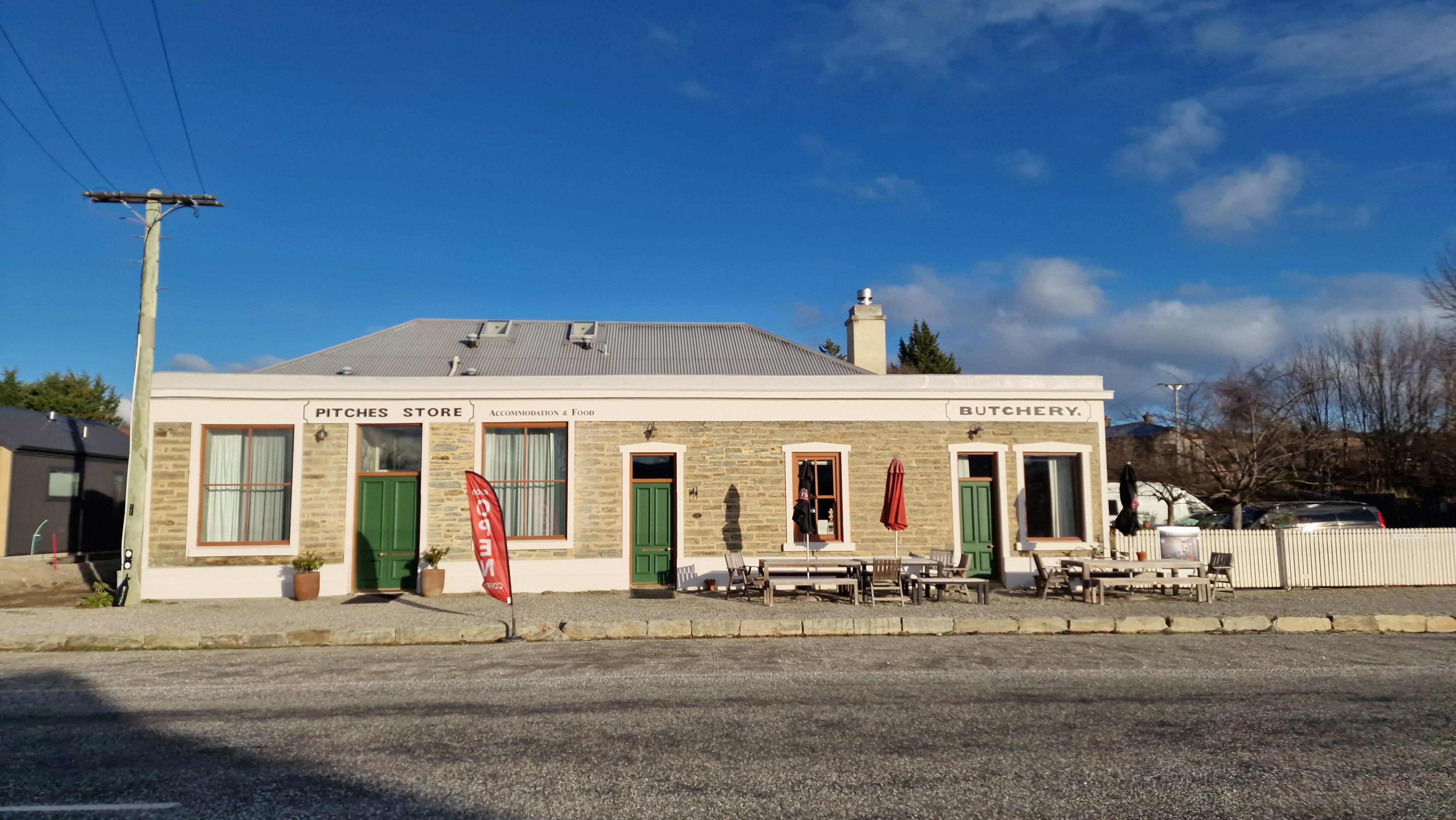
Ophir – We drove through the Ida Valley to Ophir. Originally known as Blacks, Ophir’s population grew to over 1000 during the gold mining boom of the 1860s. It was at this point in time that is was renamed Ophir. It was Ophir that King Solomon obtained the gold with which he sheathed the Temple in Jerusalem and is therefore the place of the legendary King Solomon’s mines! Today’s population is around 50 and there are a number of old heritage buildings still being used, the Post Office being one. Among others are the court house and police station. We had an amazing meal at Pitches Store which is a restored heritage building with an amazing history.
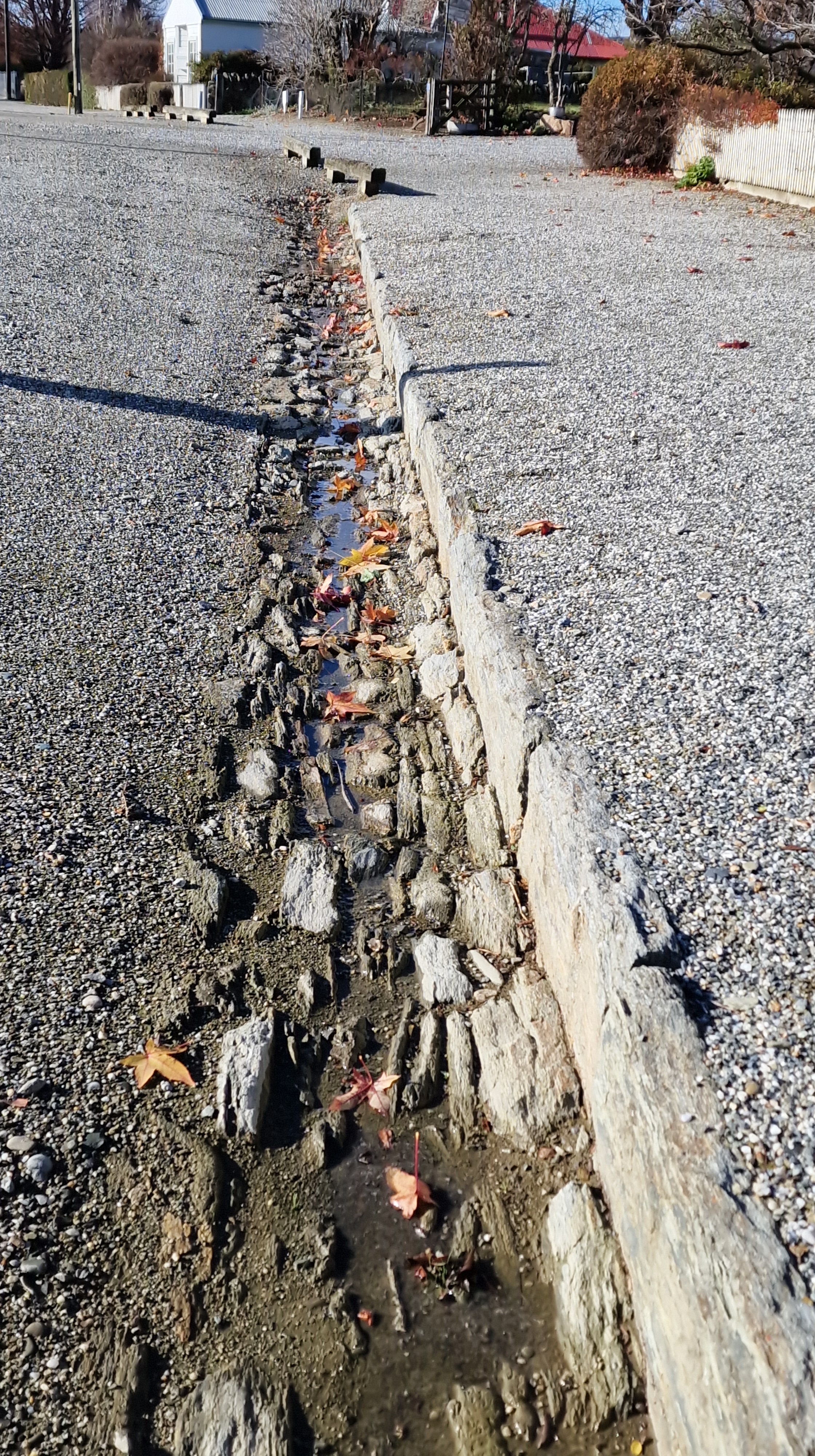
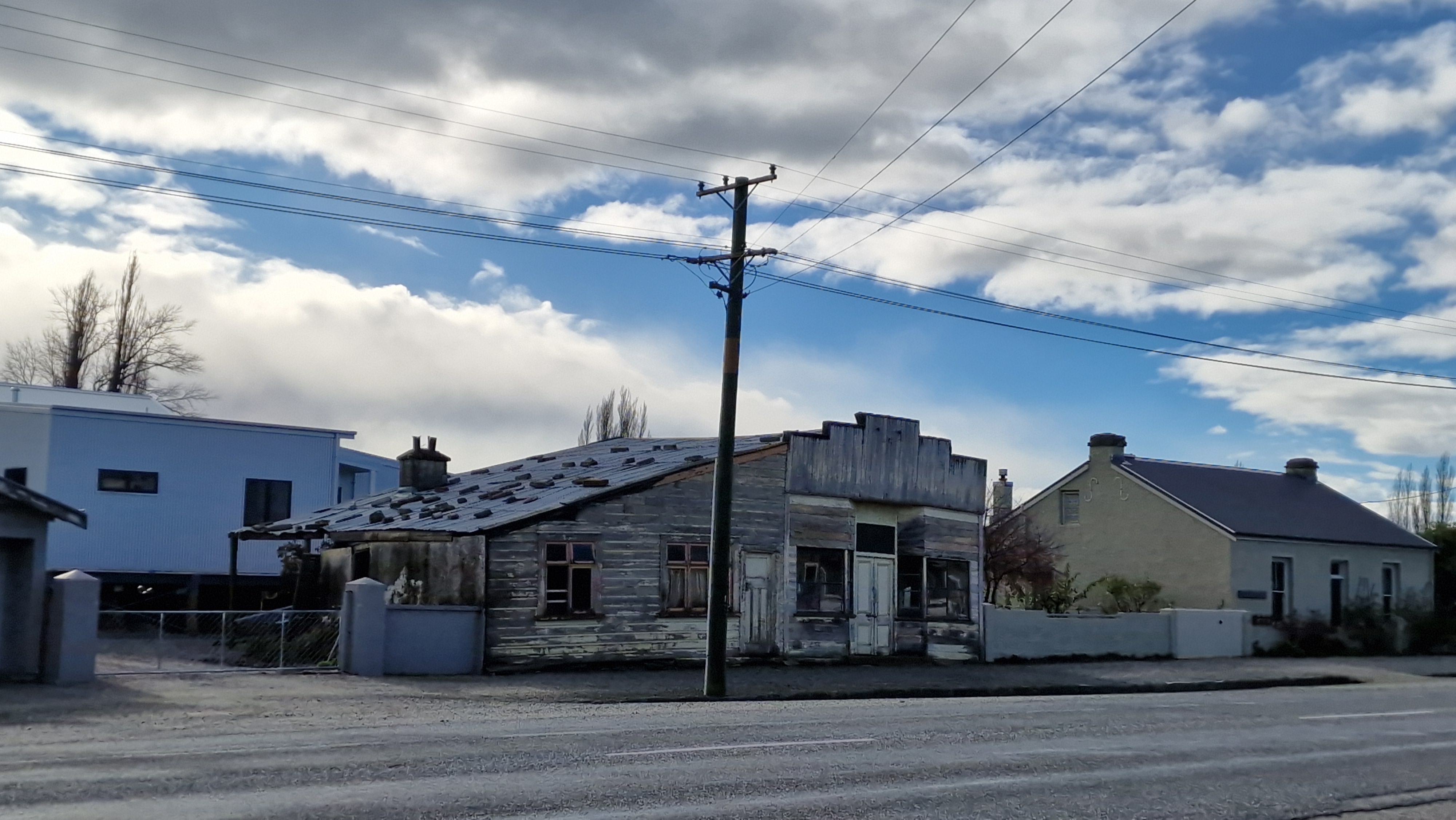

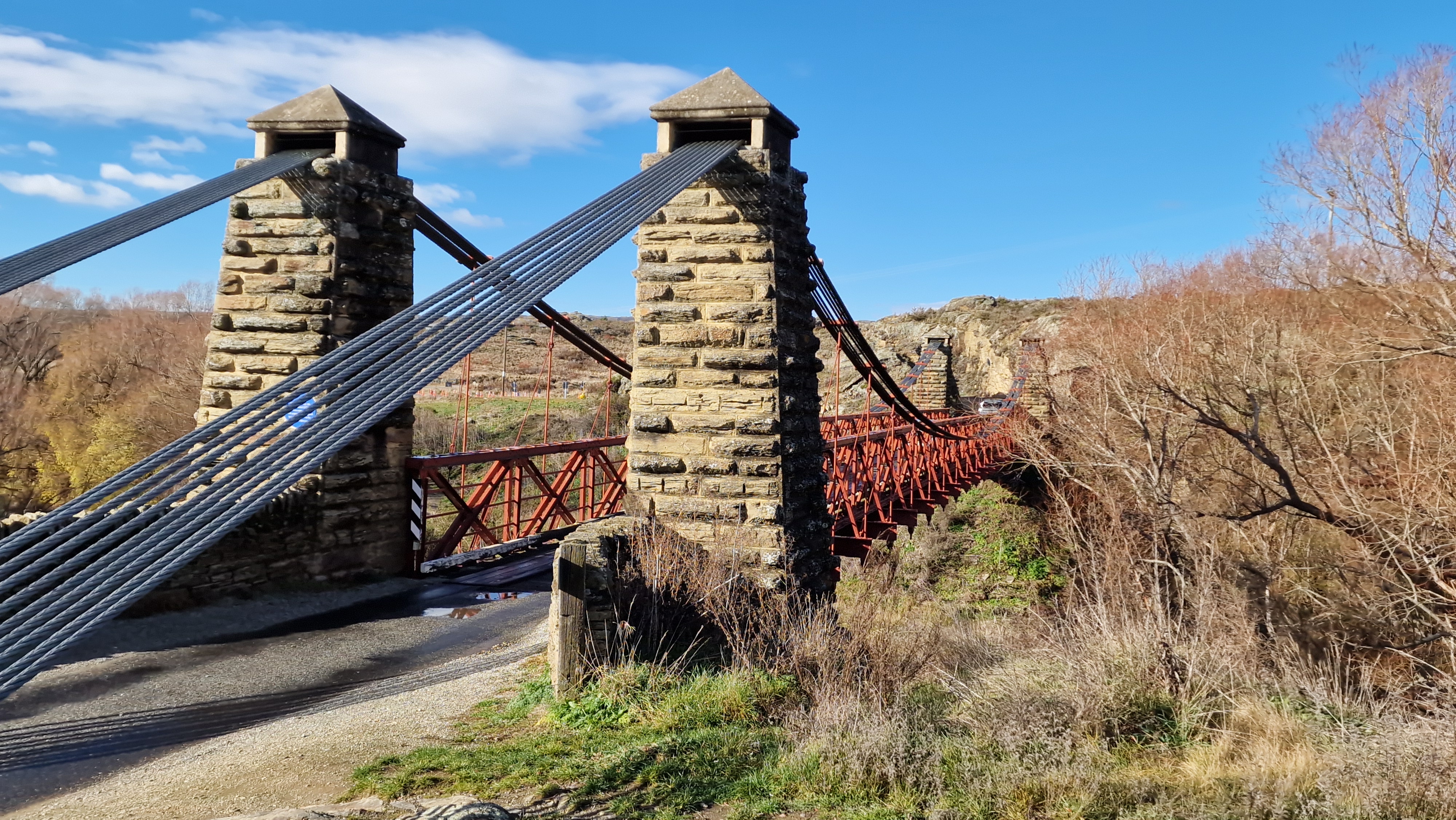
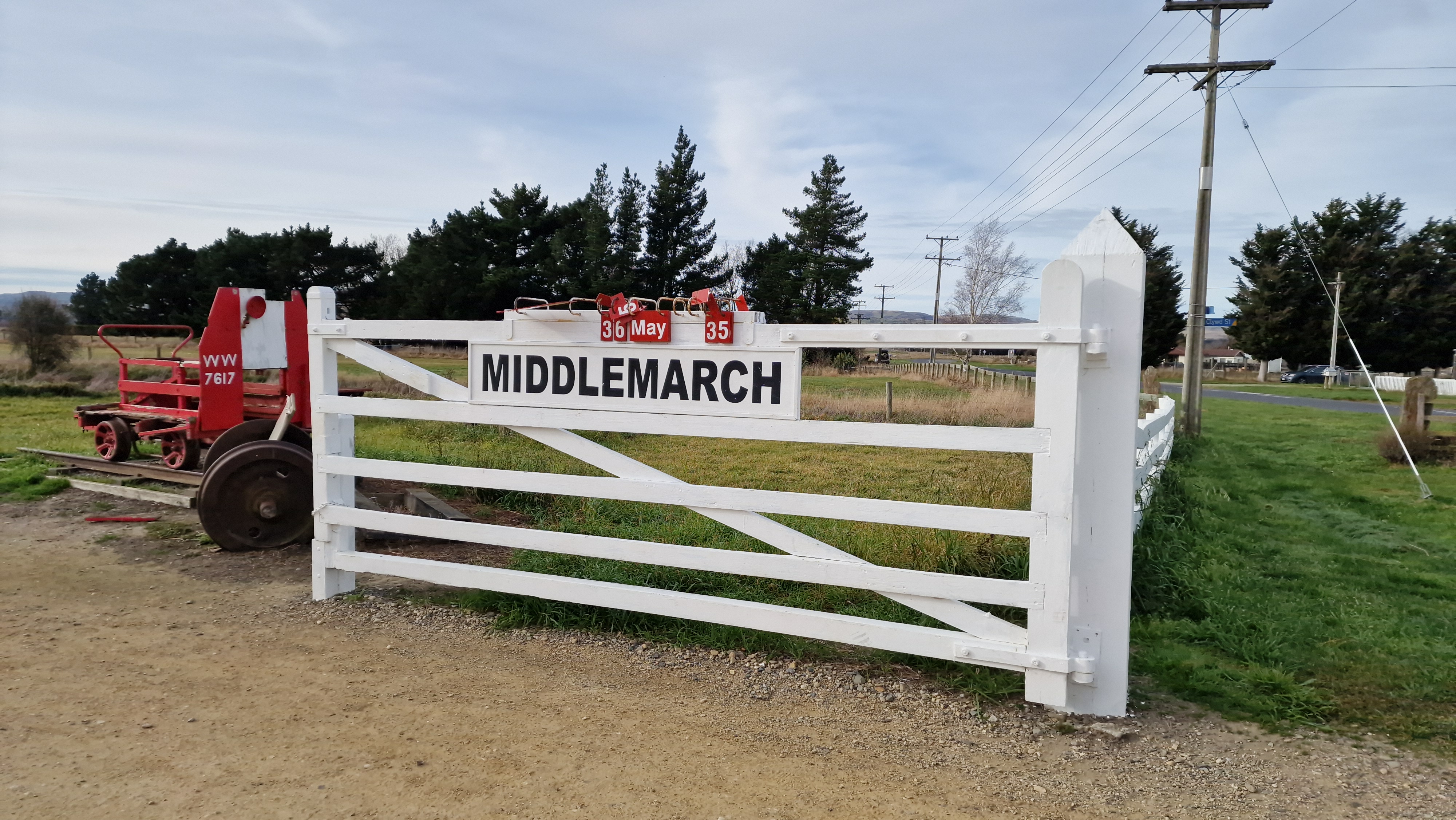
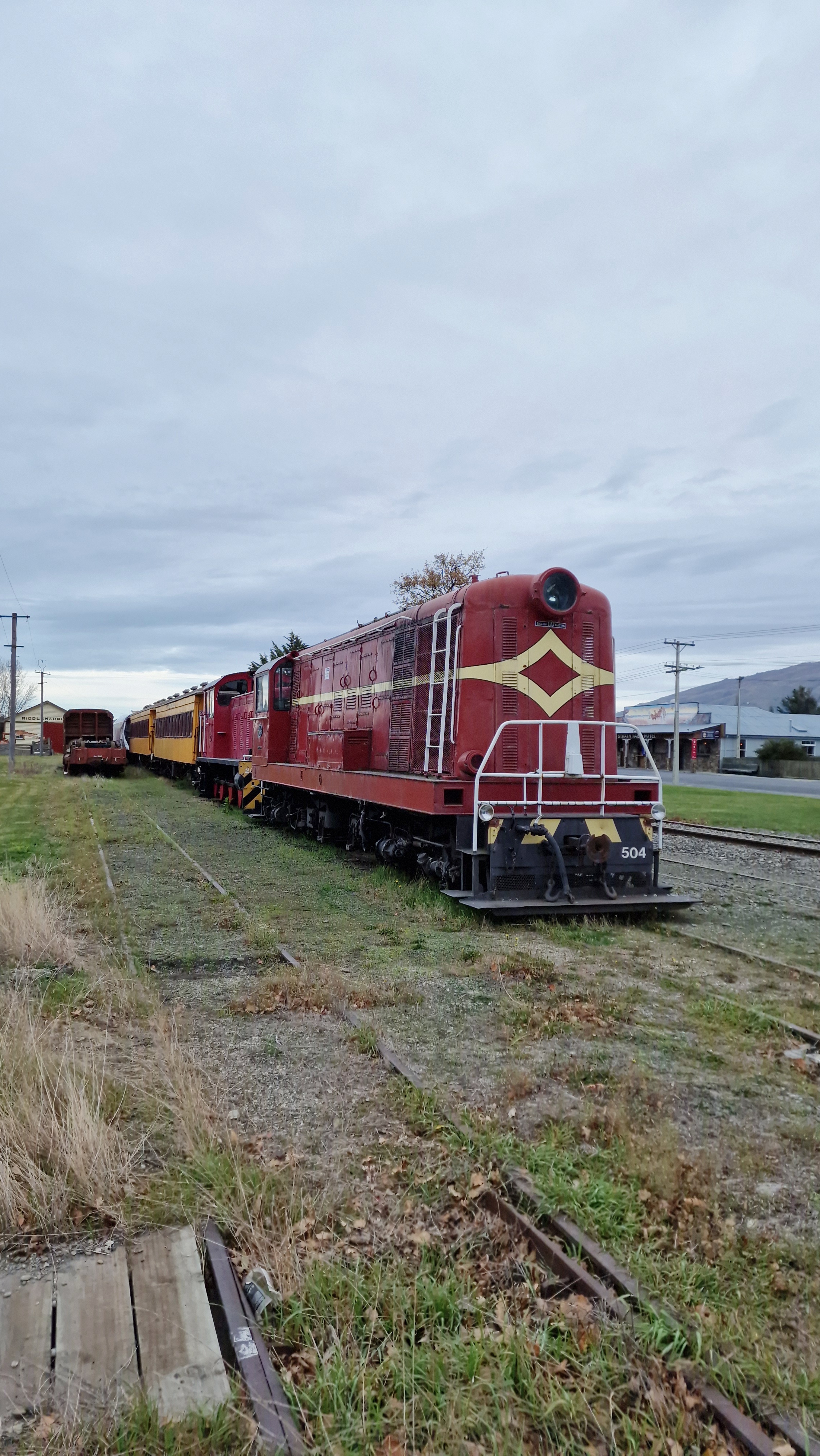
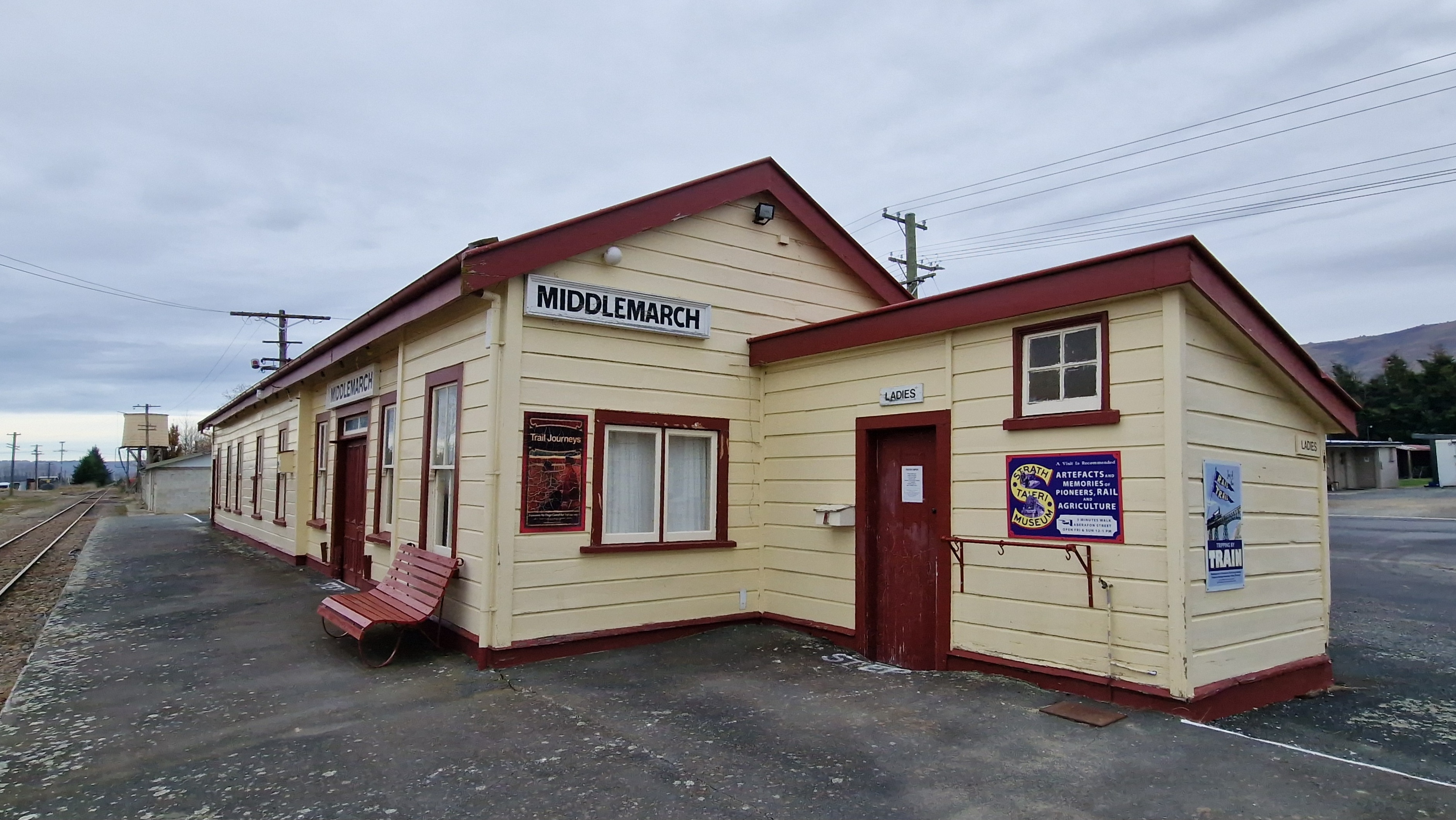
Middlemarch – no not the place in the UK! This is the terminus for the Taieri Gorge Railway and the start of the Otago Central Rail Trail.
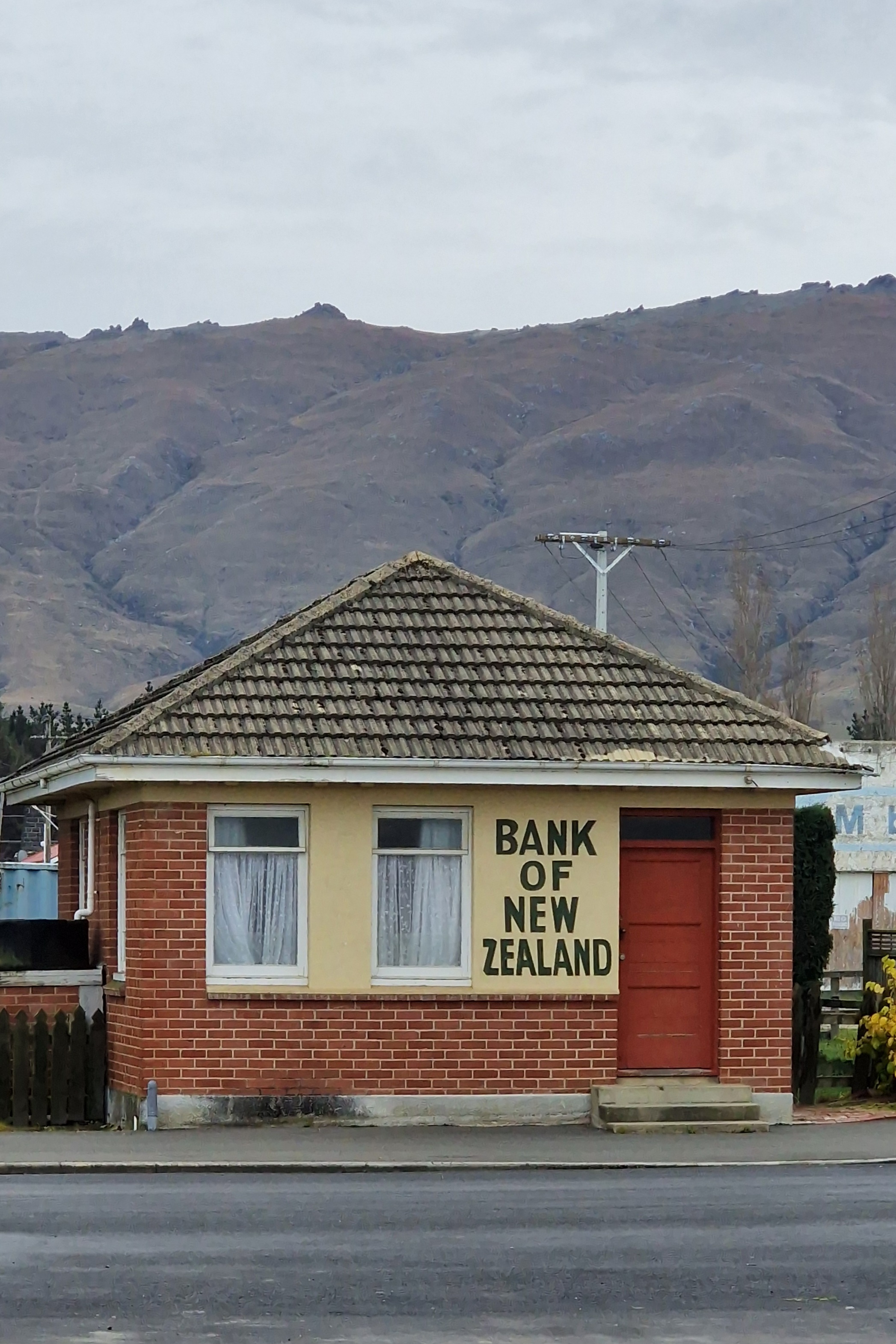
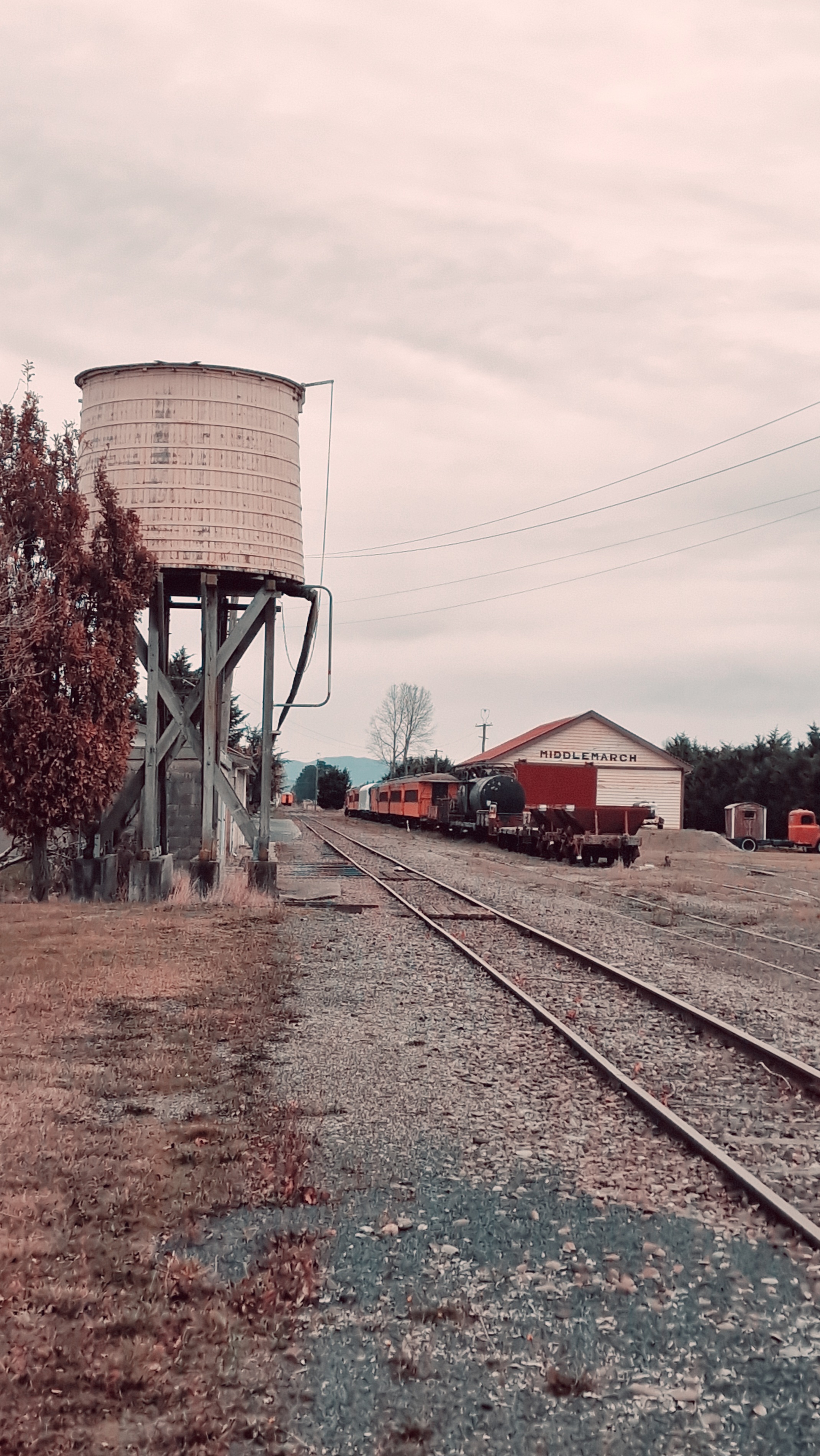
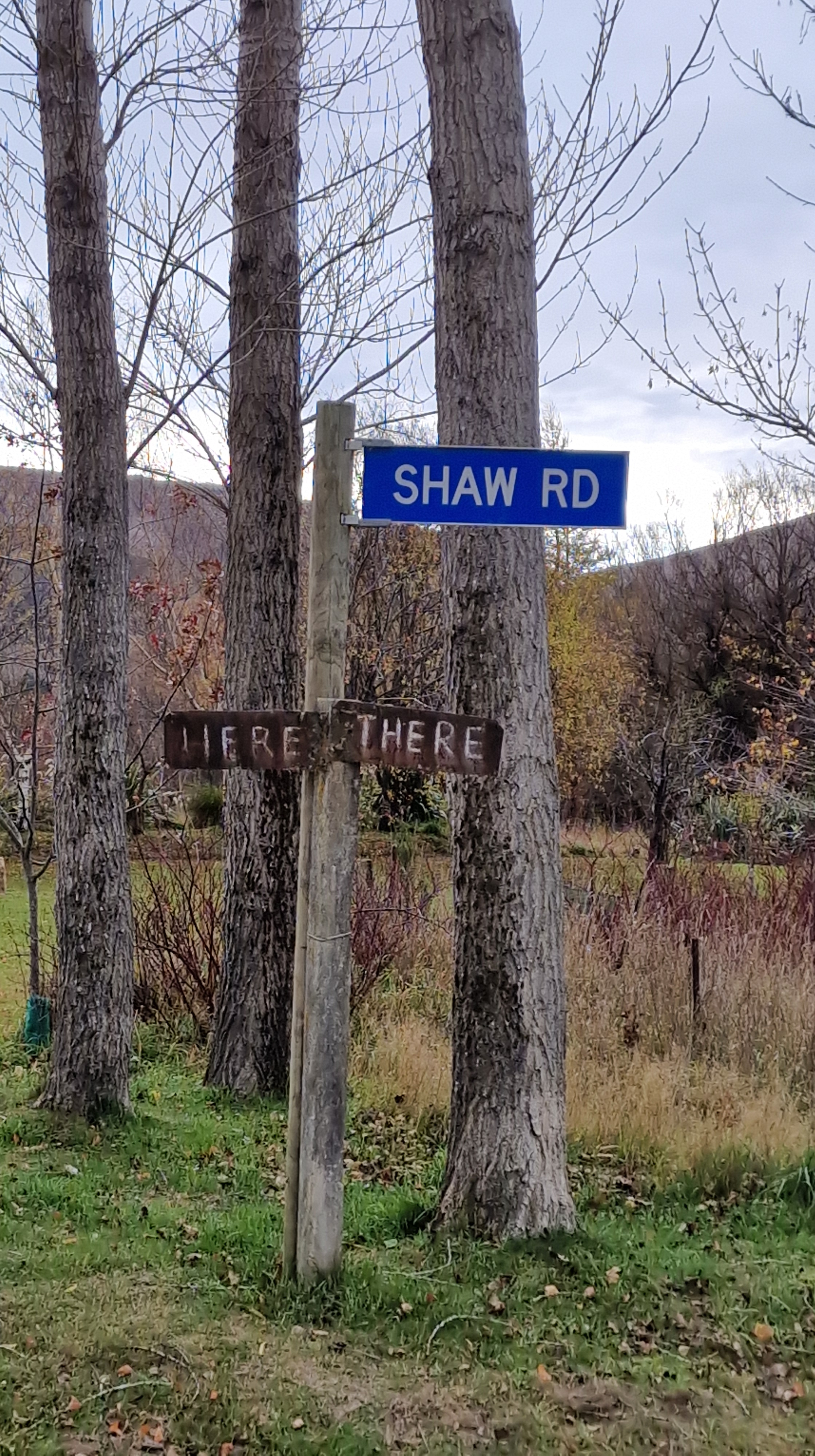
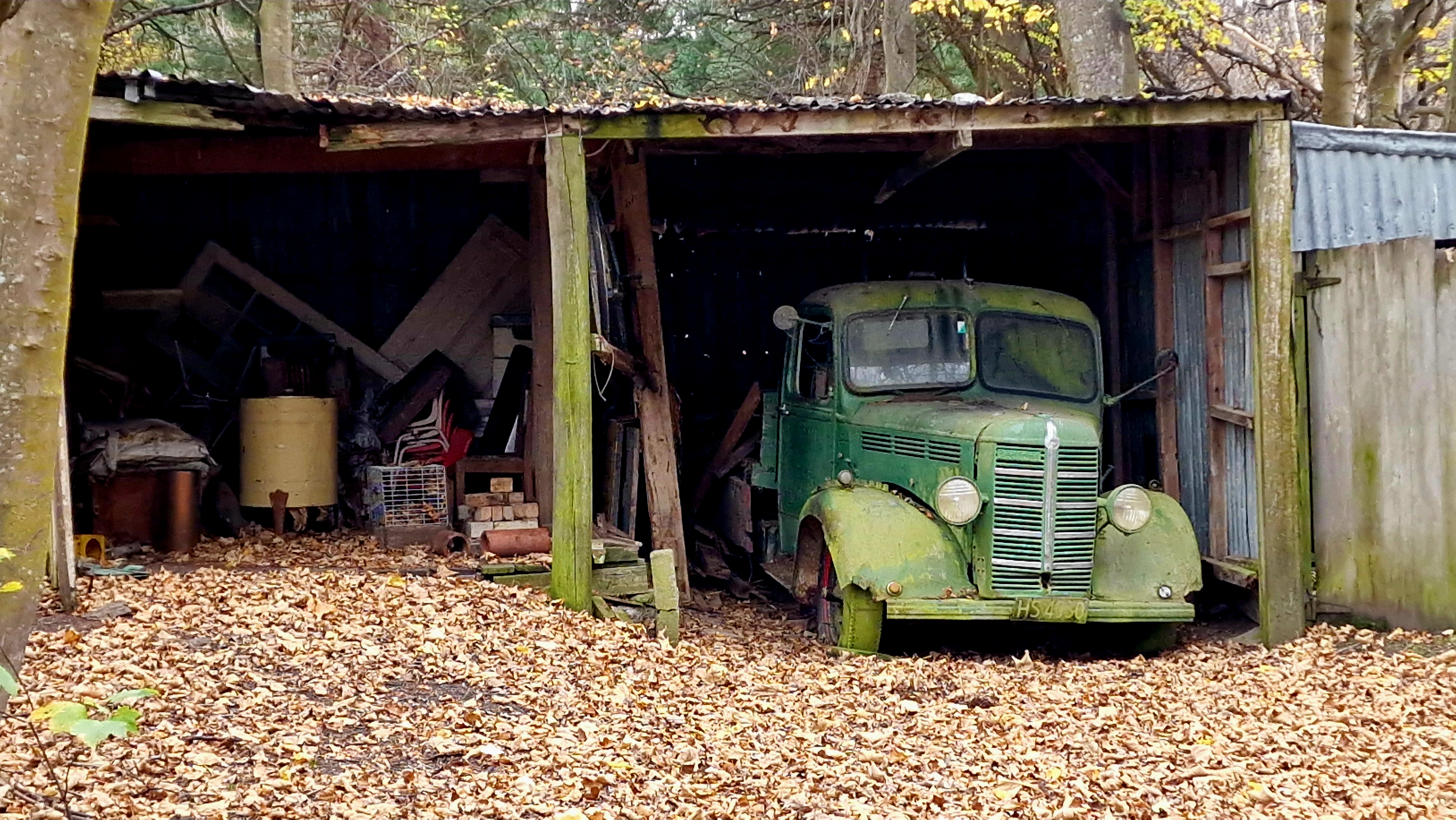
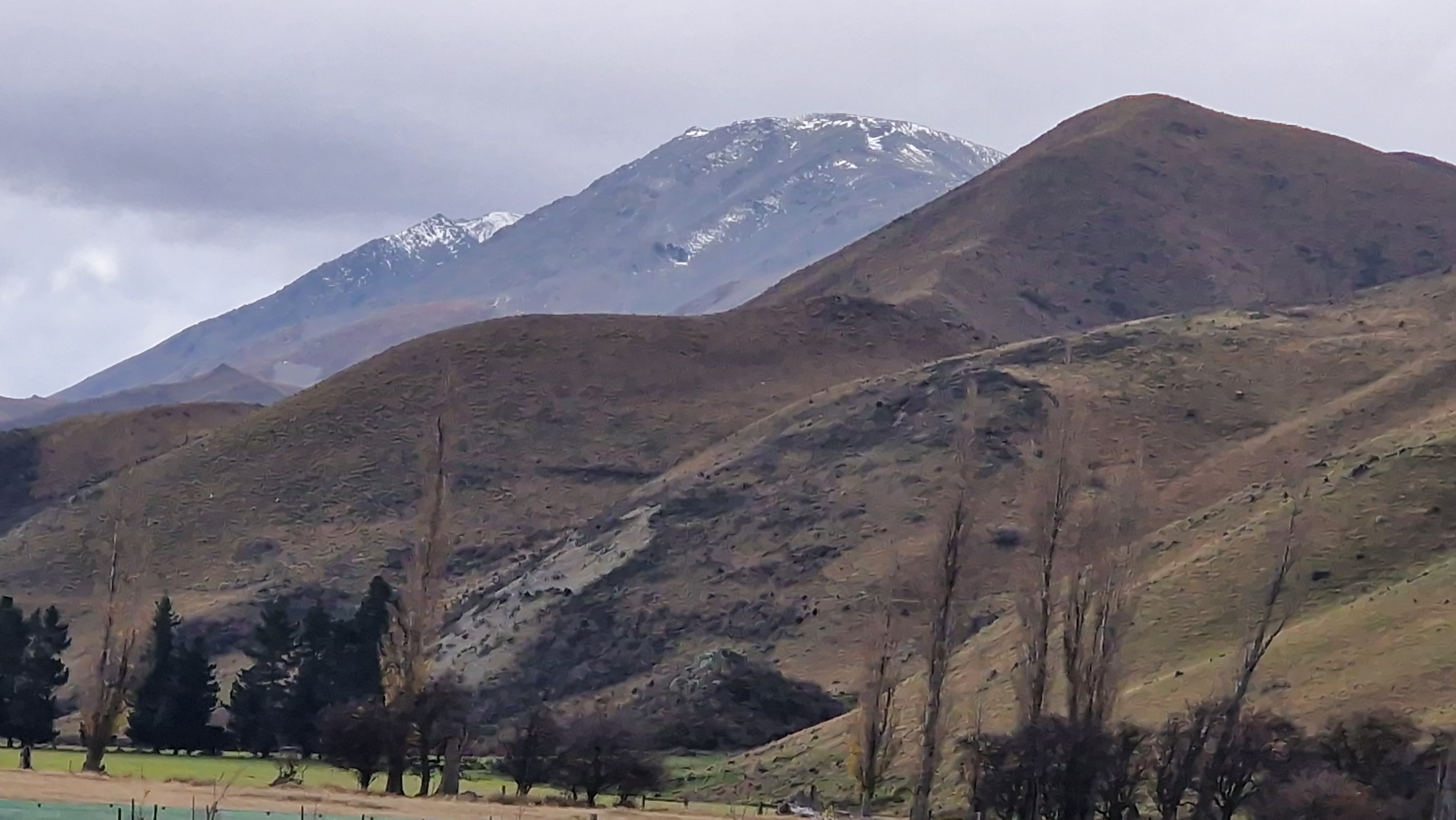
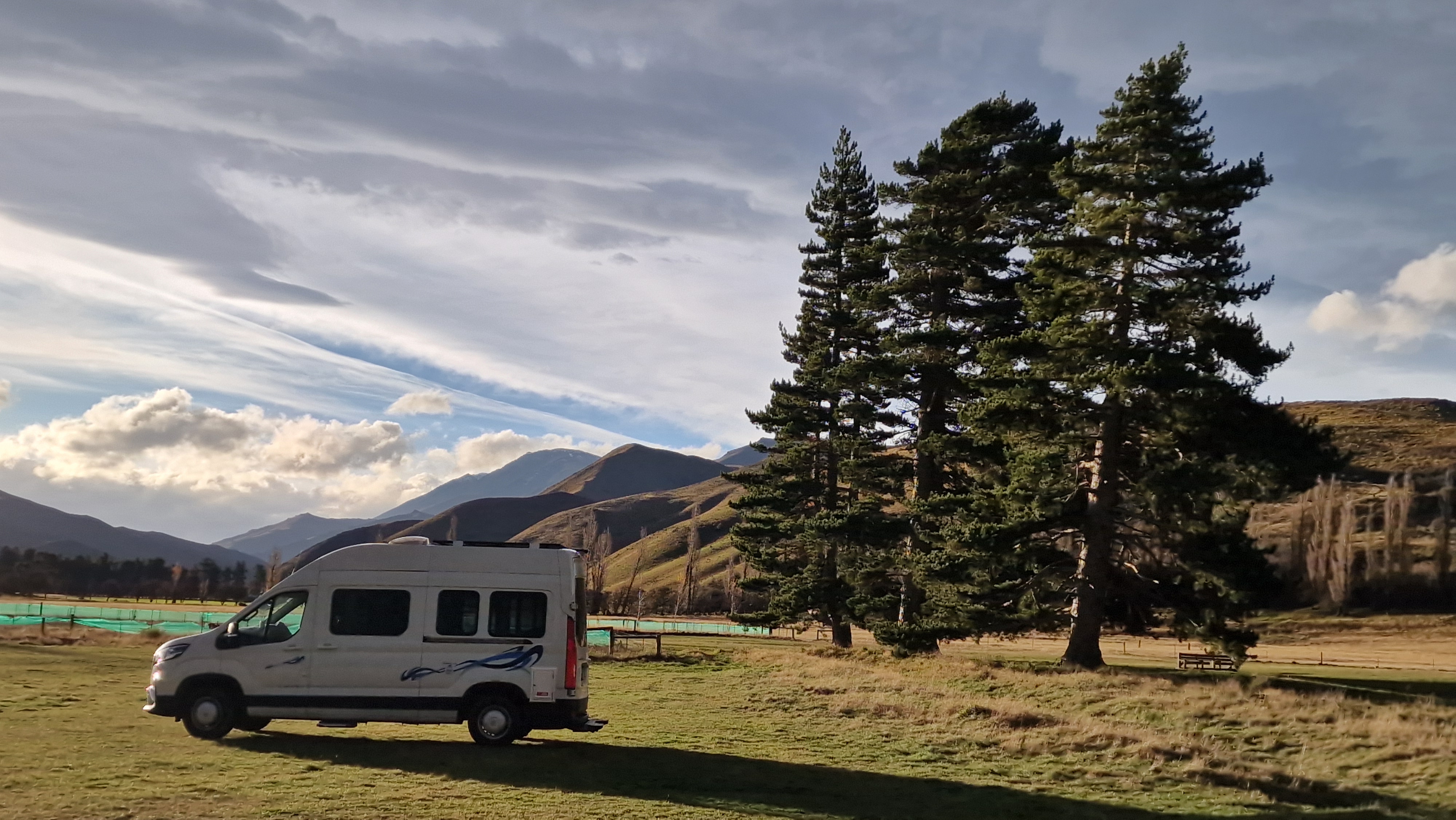
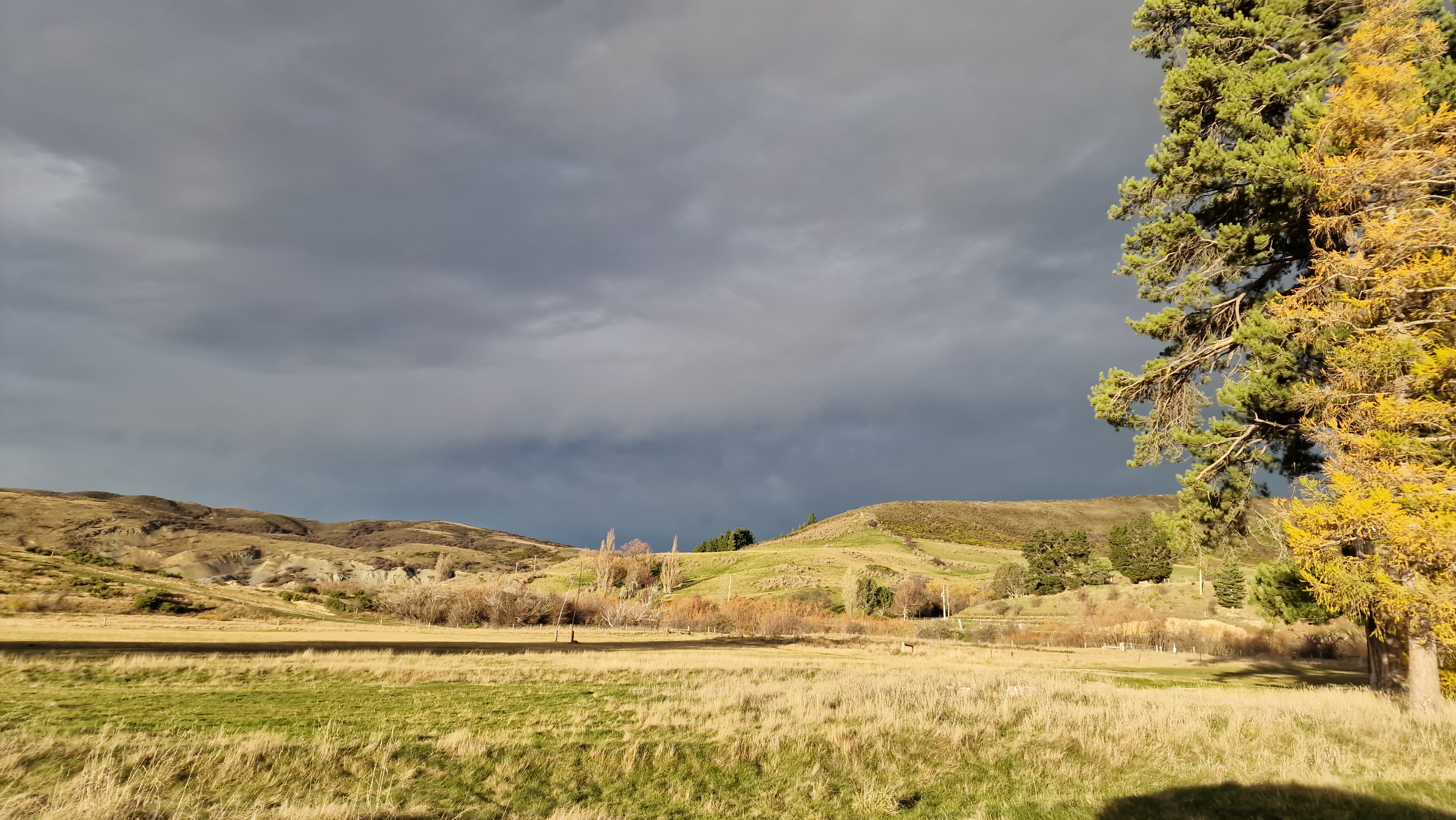
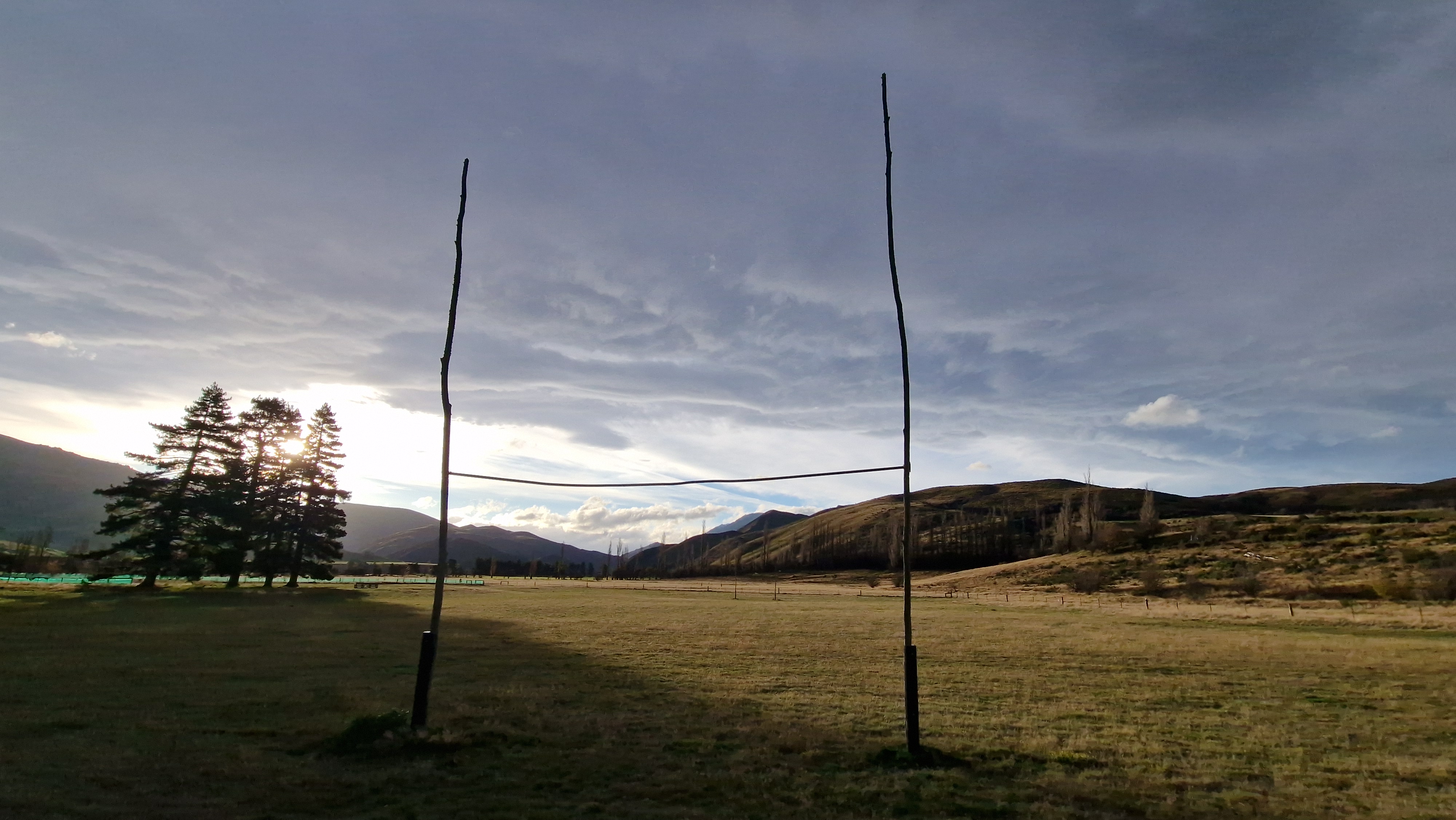
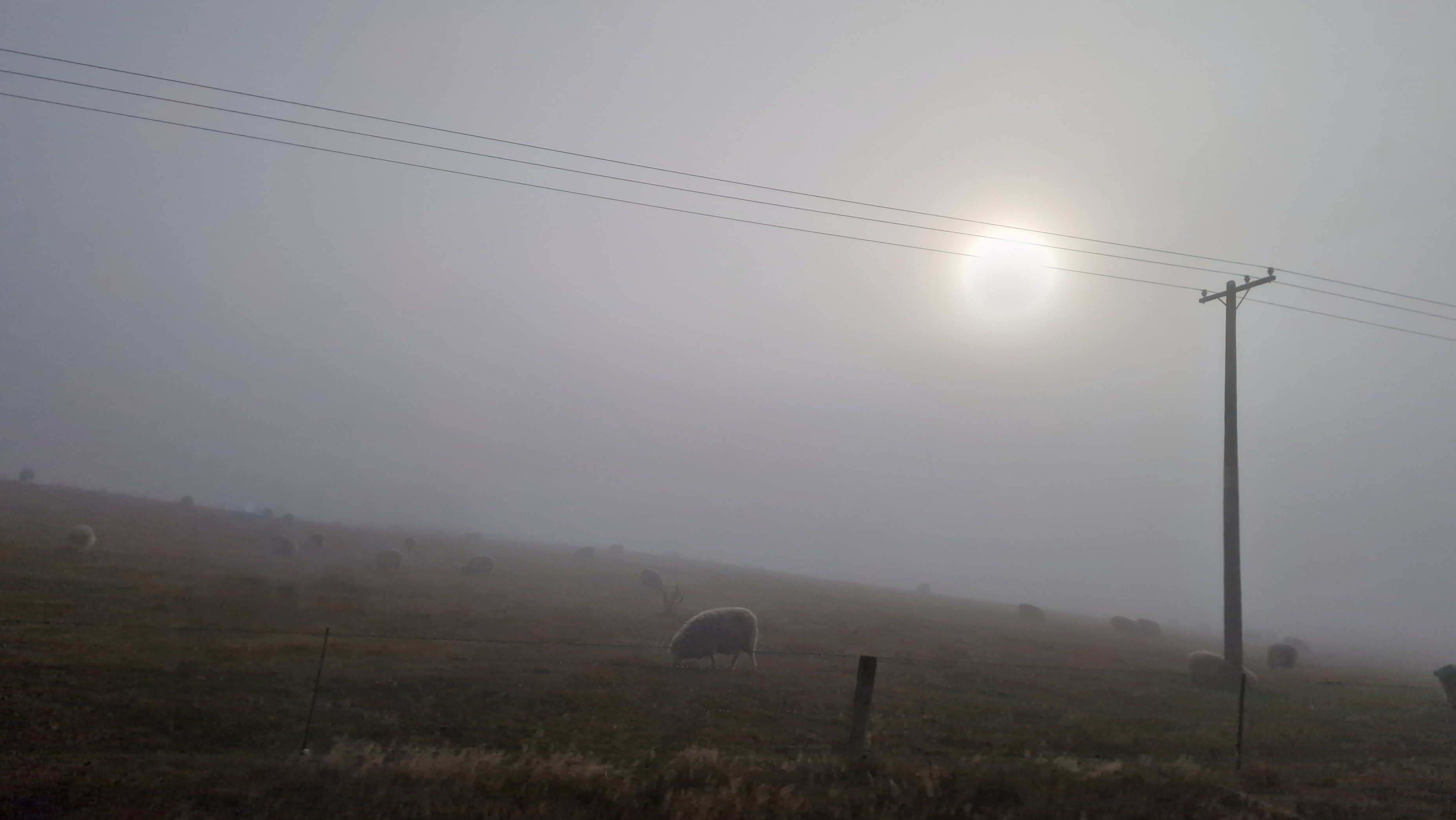
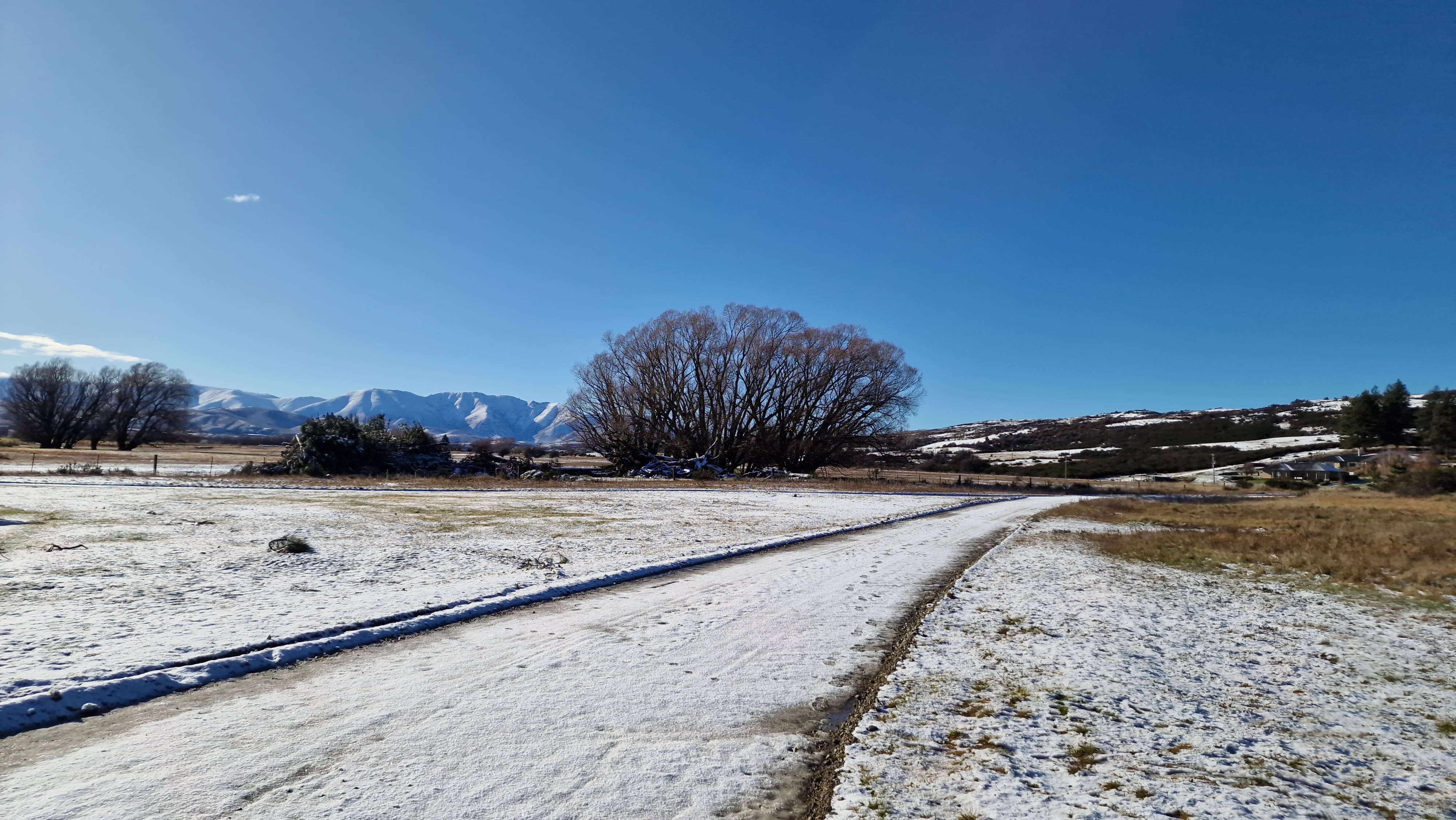
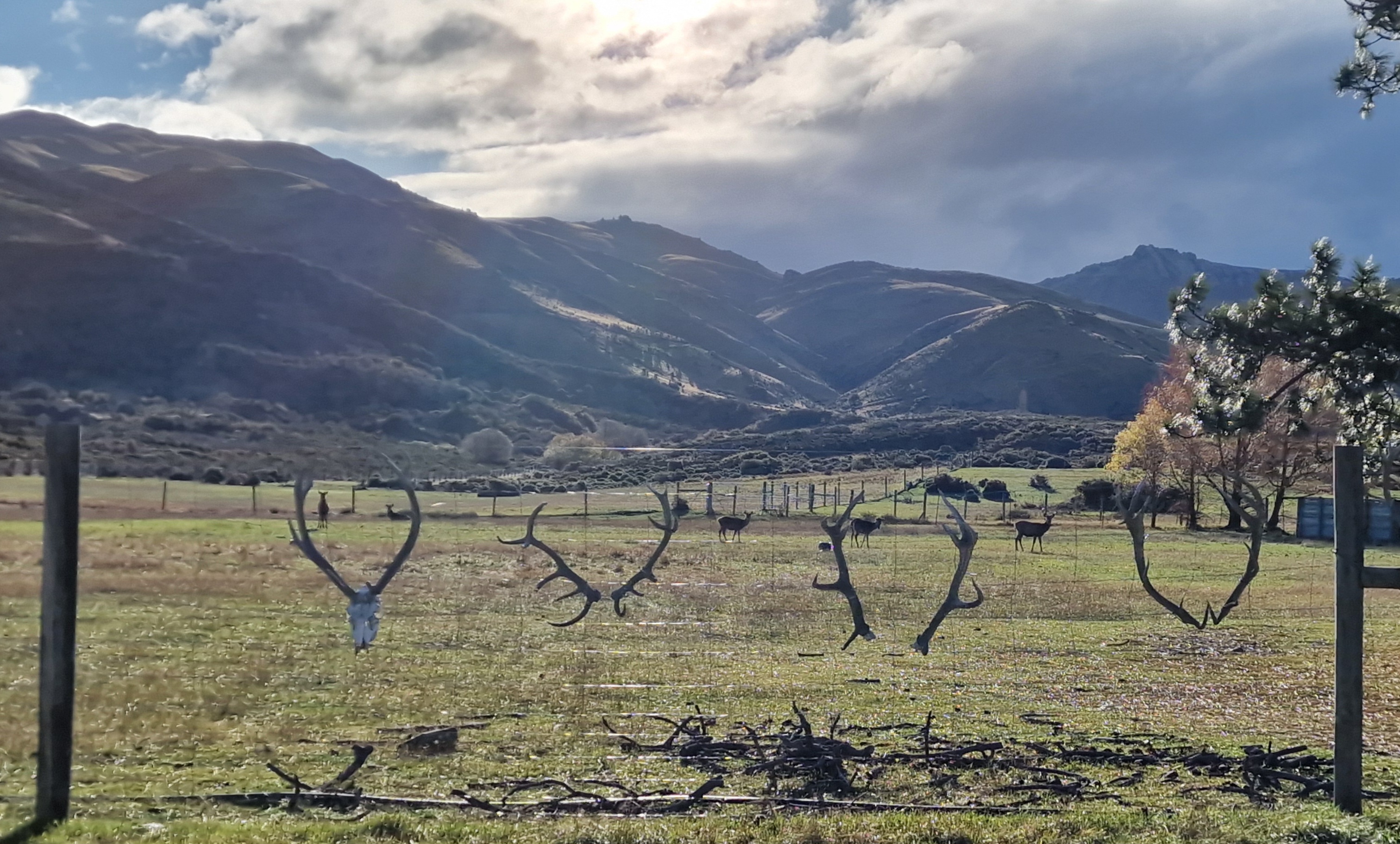
Here are some other images from Central Otago…
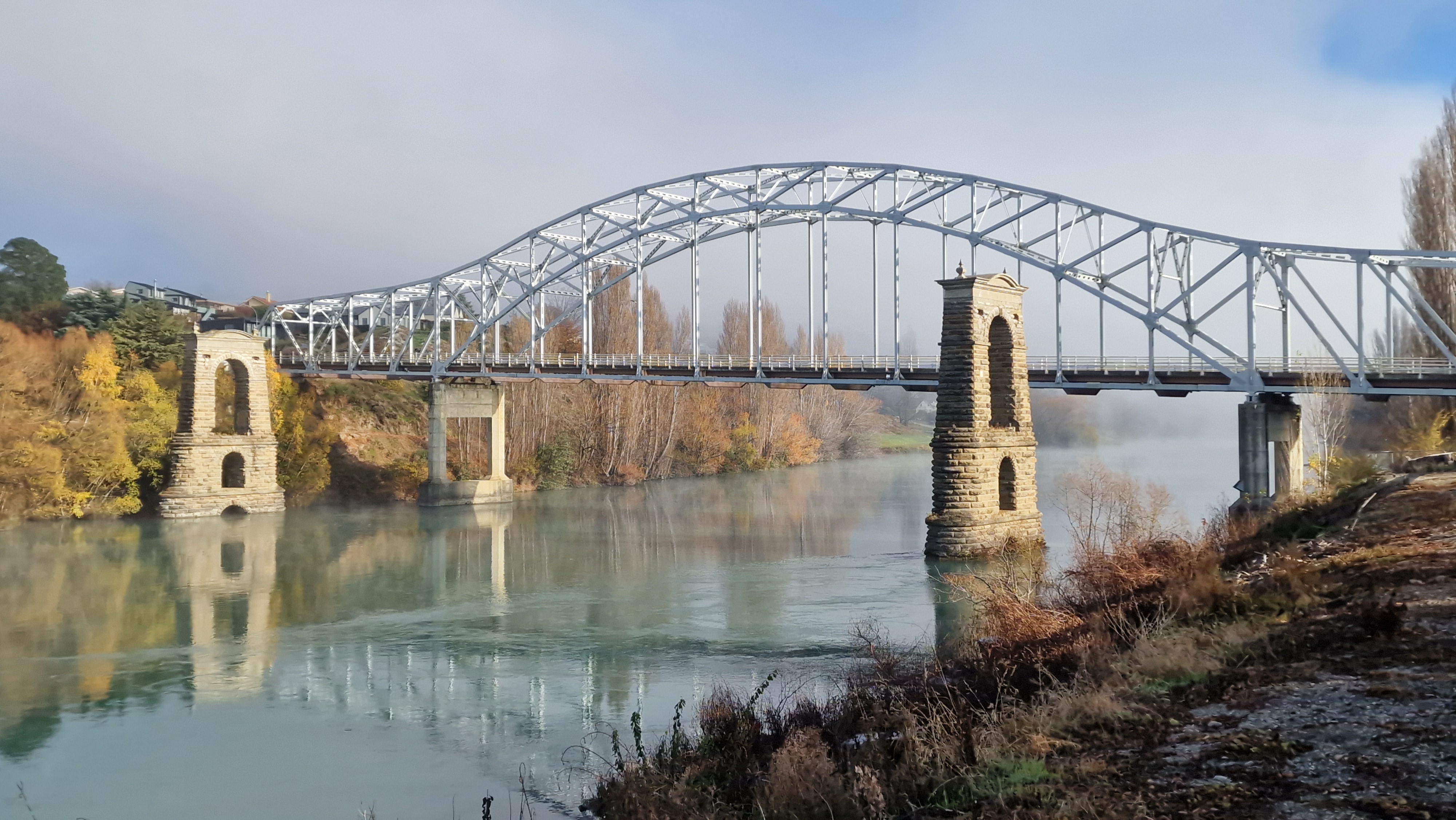
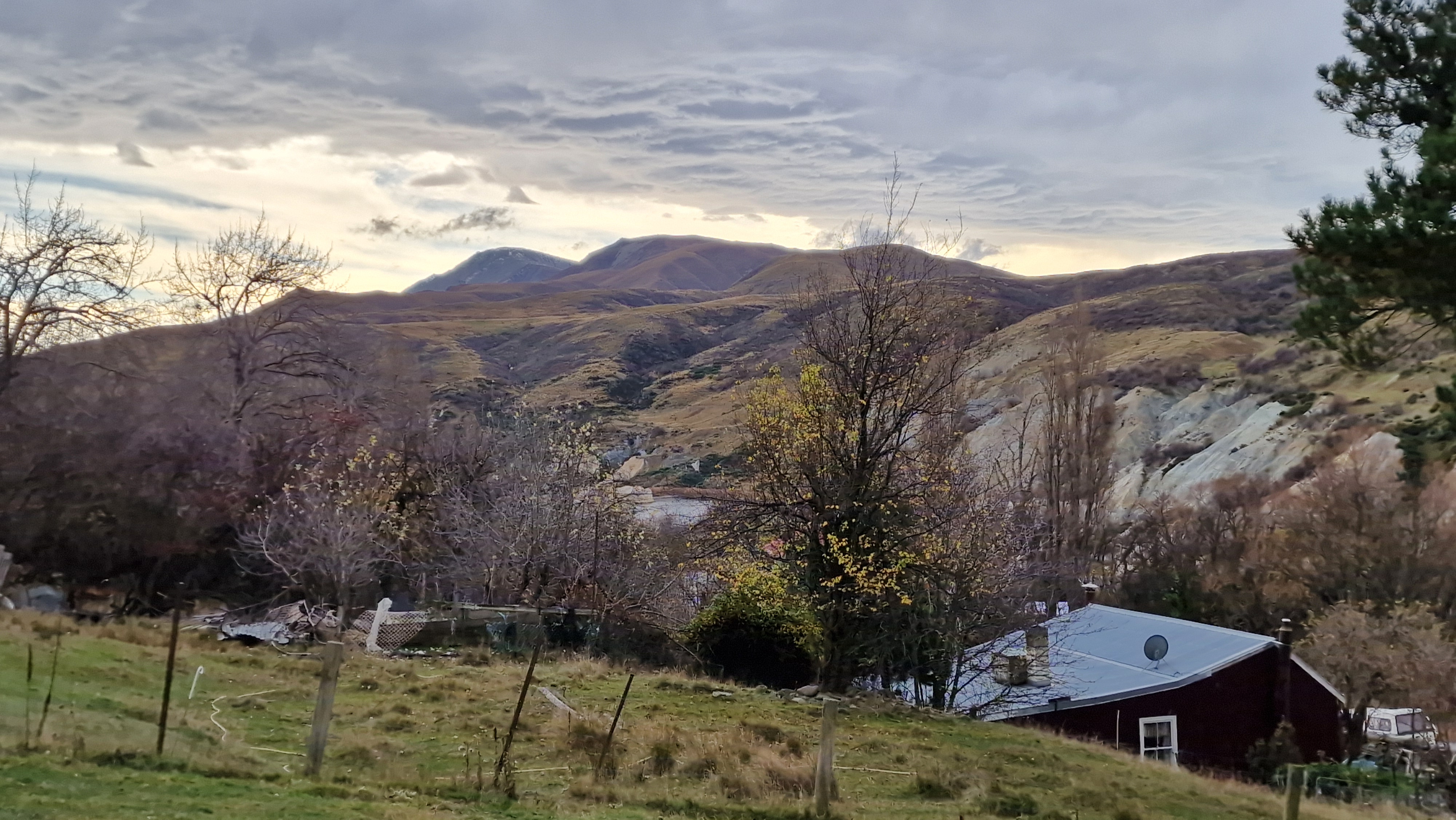
All photographs are © to in-the-moment.org
 In the Moment
Leave a comment